Listening to Jimmy Tingle Saturday as he emceed the No Kings protest/rally on the Stoneham Common, I couldn’t help but think of a 30-year-old preacher in the white church rising up behind him. The year was 1850 and the preacher was the Rev. William Chalmers Whitcomb. On a cool morning in November, he stepped into the pulpit and preached a fiery sermon that called on parishioners to follow God’s law rather than the law of the land.
Then as now, the country was divided. Congress had just passed the Fugitive Slave Act, mandating the return of all former slaves to their owners. State governments, local law officers, and even citizens were called on to aid in its enforcement. The law imposed stiff penalties of imprisonment and fines for anyone sheltering fugitives.
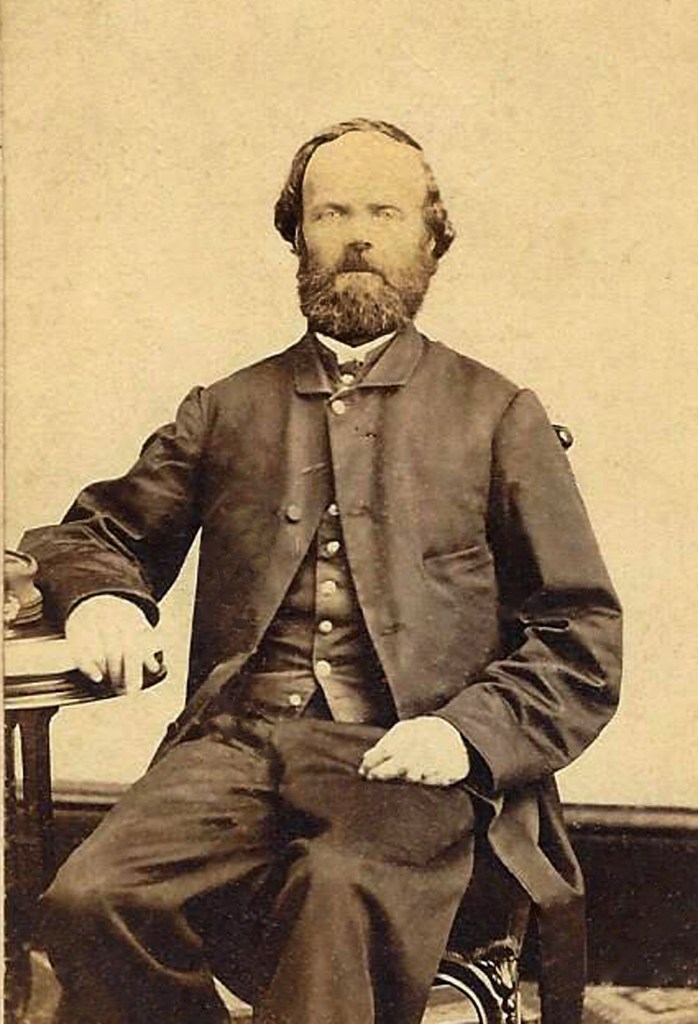
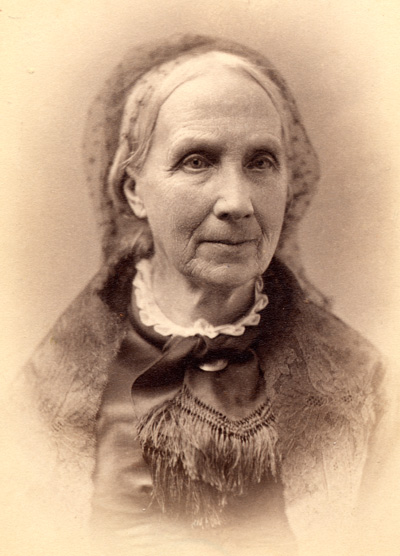
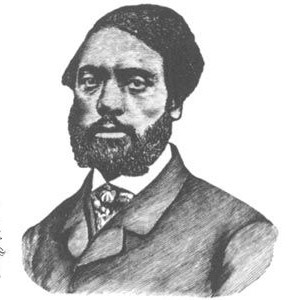
The Rev. William Whitcomb
The Fugitive Slave Act tore apart families, towns, political parties and churches. The governor, most legislators and civic leaders supported it. Even Daniel Webster, the esteemed Massachusetts senator, now secretary of state, hailed the federal law as the best way to keep Southern states from bolting.
In Stoneham abolitionists had met with fierce opposition. The host of the first recorded meeting in town, attended by William Lloyd Garrison, was told his house would be burned down. In a fight after an abolitionist meeting at Town Hall, a 37-year-old man—husband and father of three—had been stabbed to death.
Although abolitionist sentiment was growing, by 1850 most ministers either remained silent or spoke in favor of the federal law. Not so the new minister in Stoneham.
“I make no apology” for speaking on this subject, Whitcomb told the people of Stoneham. He only regretted that he had not spoken out sooner.
He began by citing the Old Testament book of Deuteronomy, Chapter 23: 15-16: “Thou shalt not deliver unto his master the servant which is escaped from his master unto thee: He shall dwell with thee, even among you, in that place which he shall choose in one of thy gates, where it liketh him best: thou shalt not oppress him.”
In defiance of the federal law, Whitcomb called on his congregation to “Hide the outcast or help him on his journey to a safer place, even though you may risk personal security, property, and life.”
The Stoneham minister urged nonviolent action based on the principle of love. “Shed no blood,” he said. “Wield no weapons but those of truth and love. Use no arms but those God hath given you.”
Fast forward from the church across the street to March 28, 2026, as some two thousand citizens packed the Stoneham Common to protest the federal government’s policies and actions. It was the third national No Kings Day with massive demonstrations geared to stopping the rise of authoritarianism in the United States. Participants protested the war in Iran, the violence of ICE, interference in elections, the targeting of immigrants and LGBTQ+ and attacks on First Amendment rights.
Choirs sang, leaders rallied, a guitarist soloed, protestors chanted, while throughout Jimmy Tingle inspired and entertained the throng with his passion and wit. Pulling a harmonica from a pocket, he opened with a reedy version of the National Anthem. The harmonica reappeared later, when in closing, Tingle told the story of John Newton, the one-time slave trader who repented and became a leading abolitionist. He then played the hymn that Newton wrote, “Amazing Grace.”
I couldn’t help but think, as we left the Common, some to continue to the Boston Common for the 1 p.m. rally there, that Rev. Whitcomb would have been proud.
On the road to Concord, three Black men in a wagon make a daring escape
It had rained that day in Boston, and now, even though the moon was full, there was little light in the sky as three men left Cambridge and headed for Concord. No, it wasn’t the midnight ride of Paul Revere, but another of unusual significance. For riding in a dark wagon was a fugitive from justice and two conspirators, unwilling to let another human being be returned to slavery. It was Saturday, Feb. 15, 1851.
The morning had started out as any other. Shadrach Minkins, a waiter at the Cornhill Coffee Shop in Boston, had put on his apron and started work. What he didn’t know was that he would soon become a test case for the Fugitive Slave Act, a law enacted by Congress to keep Southern states from bolting. The story has been told beautifully by Gary Collison in his book, Shadrach Minkins: from Fugitive Slave to Citizen, from which I have drawn here.
Born into slavery in the port city of Norfolk, Virginia, Minkins had worked for various masters, having been sold three times. In the spring of 1850, around 30 years of age, he disappeared, escaping most likely as a stowaway on a merchant ship headed north. Arriving in Boston, he joined a community of some 2,500 free blacks and former slaves. Considered a haven for those seeking their own emancipation, Boston would soon become the focus of federal agents and bounty hunters.
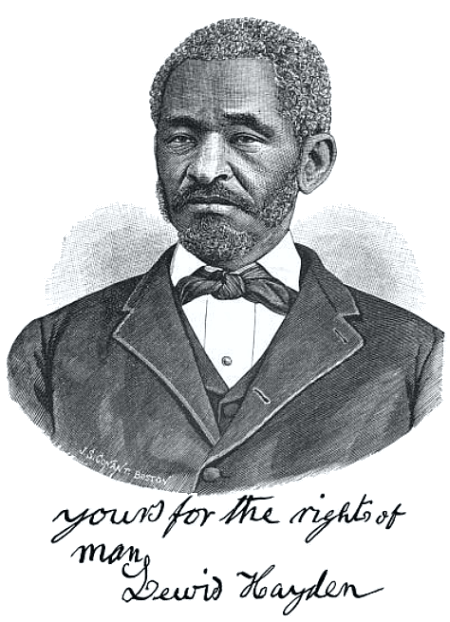
David Hayden was a leader in Boston’s abolitionist community.
Mandating the return of all former slaves to their owners, the Fugitive Slave Act imposed stiff penalties of imprisonment and fines to anyone sheltering fugitive slaves. Further, state governments, local law officers, and even citizens were called on to aid in its enforcement.
If Minkins could be arrested in Boston, the hub of the abolitionist movement in the North, and returned to his owner, Southern states would see that Washington was protecting their interests, muting talk of succession. Even President Millard Fillmore and Secretary of State Daniel Webster had approved Minkins’ capture.
Enacted in September of 1850, the Fugitive Slave Act divided families, towns, political parties and churches. As most governors, legislators, and clergy fell in line with the law, New England abolitionists voiced their opposition. In Boston, the Vigilance Committee, made up of Black and white abolitionists, warned of arrests and planned counter measures.
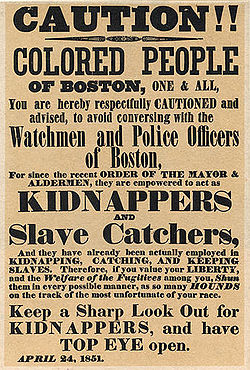
Poster urging fugitive slaves in Boston to watch out for slave catchers.
Now, as Minkins waited tables in the restaurant, a federal marshal and eight officers took up positions outside the restaurant. After a considerable delay, waiting for the man who would identify their suspect, the marshal and one of his men entered the restaurant and ordered coffee. They were served by a “stout, copper-colored man,” no other than the fugitive they sought, writes Collison.
When Minkins took the marshal’s payment to get change, two officers grabbed him under the arms, rushed out a back door and dragged him into the Court House, a block away. They had been seen, however, and word quickly spread. Within minutes a crowd of abolitionists and onlookers filled Court Square. One of them was a former slave from Kentucky, Lewis Hayden, now a clothing merchant and owner of a boarding house on Beacon Hill.
For several years, Hayden had been owned by Henry Clay, the senator and future architect of the Fugitive Slave Act. After seeing his siblings, then his wife and child sold, Hayden had fled with his second wife and her son to Philadelphia, then on to Canada. In 1846 Hayden brought his family to Boston. Lewis and Harriet Hayden became leaders in the abolitionist community, and their home on Southac Street a station on the Underground Railroad.
As Shadrach Minkins awaited arraignment, abolitionists packed into the stairway and hallway outside the upstairs courtroom. After the judge arrived, federal officers presented evidence that the suspect was in fact a fugitive from Virginia and the property of a Norfolk businessman.
Meanwhile, the crowd inside and out became more agitated. Defense attorneys, including Richard Henry Dana, Jr., presented petitions for Minkins’ release. When they were denied, black activists led by Hayden forced their way into the courtroom, surrounded Minkins and carried him “by the collar and feet” out to the street. Then, mixing in with the crowd, Hayden and Minkins scurried off towards Charles Street.
Turning quickly into a side street, Hayden took Minkins to the widow Elizabeth Riley, who hid him in her attic. Returning after dark, Hayden then took Minkins across the bridge to Cambridge and the home of the Rev. A. J. Lovejoy. HHe knew, however, that the fugitive could not stay there for long.
Later that night, Hayden returned to the minister’s home. This time he came in a wagon drawn by two horses, one black and one white. The wagon was driven by John J. Smith, a barber and fellow abolitionist. Picking up Minkins, they headed west.
My guess is Hayden and Smith, dressed in oil-cloth and sou’esters, sat up front, while Minkins lay covered by a tarpaulin in the bed of the wagon. They may have traveled on the Concord Turnpike, which was the most direct route, but which had several steep hills. Or they may have taken the old route through Lexington along Battle Road to Concord. Perhaps the rain had stopped by then and the moon was penetrating the cloud cover with faint light. Given the muddy roads, it must have been slow going.
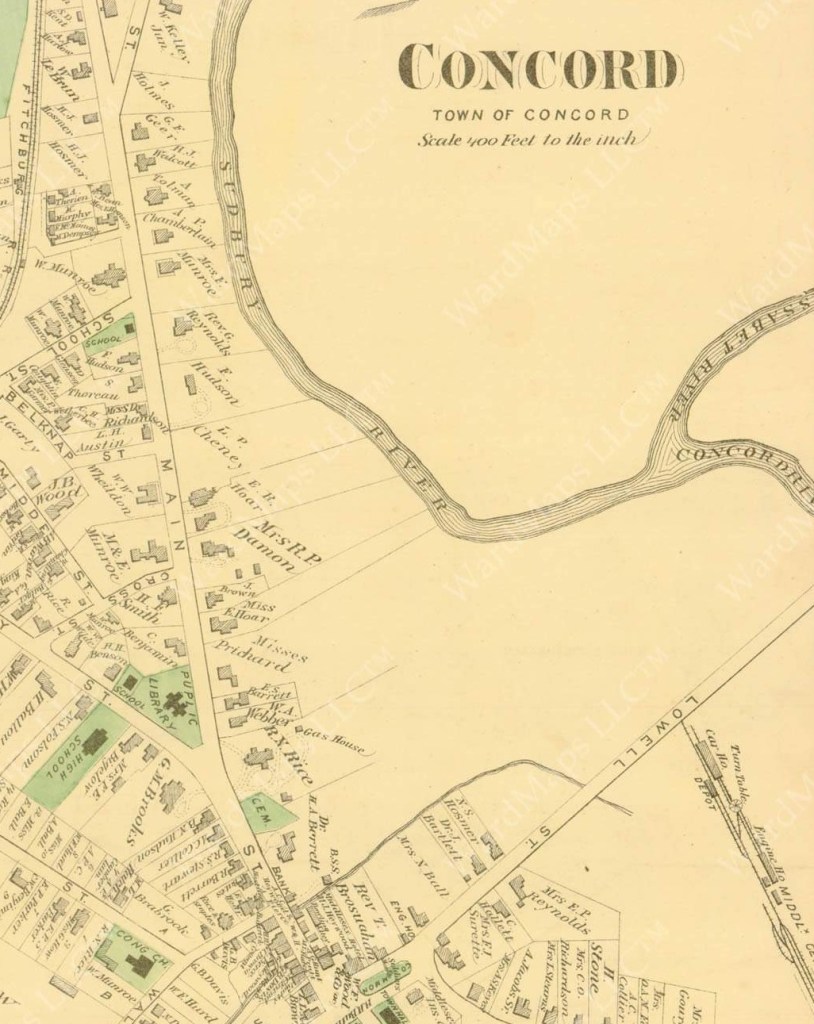
19th century map of downtown Concord.
About 3 a.m. Smith turned the horses onto Main Street in Concord. Proceeding through the sleeping town, they then angled left onto Sudbury Road and entered the yard of the blacksmith, Francis Bigelow. Hearing the wagon, Francis got out of bed and went to the door. Francis’ wife, Ann, who was unwell, may have looked out the upstairs window, for it was she who noted the color of the horses. Years later, Ann would tell the story to Edward Waldo Emerson, Harriet Robinson and others, accounts found in the Concord Free Public Library.
“Mr. Bigelow, hearing the carriage, opened his door, and let in the poor fugitive [and his escorts], though the penalty was a thousand dollars, and six months’ imprisonment, for ‘aiding and abetting’ a slave to escape. The blinds of the house were at once shut, and the windows darkened, to evade the notice of any passers-by.”
As Ann told it, the Bigelows then warmed the fugitive and brought him into their own bedroom, where Ann served breakfast, using the bureau for a table. Minkins, worn by anxiety and lack of sleep, could barely keep his eyes open. Meanwhile, the Brooks, sympathetic neighbors, arrived.
After Minkins had eaten and rested, Francis found him warm clothes, but had no hat his size. But Nathan Brooks did. He promptly left and returned with “a hat of his own with which to disguise himself—the hat of a law-abiding citizen!”
Before dawn, Francis Bigelow led Minkins to his own wagon outside, and the blacksmith and fugitive drove west again, this time to a safe house in Leominster. From Leominster, Minkins was transported to Fitchburg, where he boarded a train to Montreal.
Many years later, Ann Bigelow would retell the story of Minkin’s escape. Photo courtesty of the Concord Free Public Library
For Minkins the flight to Canada was a continuation of a life in exile. Separated from his family in Virginia, he joined a small community of former slaves in Montreal. He got a job as a waiter, saved his money and opened his own restaurant. Later, he set up a barbershop.
Over time, he married, and had four children. He never returned to the United States. He was the first runaway slave arrested in Boston under the Fugitive Slave Act, but not the last.
Meanwhile, Minkins’ rescuers returned to Boston. As Ann Bigelow recalled: “Mr. Hayden and Mr. Smith drove leisurely to Sudbury, stopped with friends there, went to church, and, after a good dinner, returned unmolested to Boston.”
Hayden did not, however, escape prosecution. One of several abolitionists charged with aiding and abetting Minkins’ escape, Hayden was acquitted after a jury—which included none other than Francis Bigelow himself—would not convict.
For years after, Lewis and Harriet Hayden continued their militant opposition to the Fugitive Slave Act, hiding and transporting fugitives and raising money. Lewis joined the black Masonic lodge created by Prince Hall, and later served in the state legislature. He also led a successful effort to integrate Boston schools and campaigned for women’s rights.
During the Civil War, Hayden helped to convince his friend, Governor John Andrew, to form a black regiment and actively recruited soldiers for the Massachusetts 54th.
Today, you can visit the Hayden home, a site on the Black Heritage Trail on Beacon Hill. And in Concord, you can still find the house on the Underground Railroad, where the Bigelows opened their doors to Shadrach Minkins and his escorts 172 years ago.
Note: This story first appeared in the magazine, Discover Concord, Summer 2024, as “A Midnight Stop on the Underground Railroad.”
When Marco Rubio announced recently that the State Department was switching its official typeface, I wondered what was going on. Having taught a course in typography, I am well aware of type design and the nuanced notions associated with certain fonts.
I also immediately thought of a typeface called fraktur, a Germanic font Adolf Hitler loved, then hated, and the controversy over typefaces during the Third Reich.
The typeface Rubio doesn’t like is Calibri. It’s a standard sans-serif font. For many years it was the default in Microsoft programs, most recently replaced by a similar one called Aptos.
“Sans serif” means the letters are simple strokes without serifs, the little hands and feet at the end of lines. There is also no variation in line width. Their development was part of the avant garde movement in art, meant to express simplicity and modernity.
One of many sans-serif fonts in the modernist or humanist style, Calibri was created by Dutch typographer Lucas de Groot. With clean lines and slightly rounded corners, it is easily readable online and print and is often selected for presentations. Used during the Biden presidency, it is easier to read in small sizes and considered more accessible for those with disabilities.
So, what’s wrong with it? According to Rubio, Calibri is too informal, not befitting the dignity and tradition of America. In a directive to all diplomats, Rubio mandated the use, instead, of Times New Roman, a traditional serif typeface. He called the use of Calibri by the previous administration a capitulation to DEIA–that’s diversity, equity, inclusion and accessibility. In short, Calibri is too “woke.”
But why Times New Roman?
One of many classic serif typefaces, Times New Roman was designed in 1931 as the typeface for the Times of London and has long been a go-to font for books and newspapers. Its condensed letter forms and spacing make it efficient for presenting large amounts of text. I use it occasionally, when I want a traditional look in my designs.
The hullabaloo about typefaces reminds me of what happened in Germany in the 1930s, just as the modernist typefaces were gaining popularity. It should not surprise you to learn that Adolf Hitler and the Nazis abhorred the sans serif designs. Instead, they wanted a typeface that would reflect their heritage and status as a Nordic power. They chose an old typeface called fraktur.
Fraktur is distinctly unlike both the sans serifs and traditional “romans” in use throughout the Western world. Designed in the 16th century, it’s an updated version of a German blackletter, with thick, angular forms similar to what we know as Old English. As the official Nazi typeface in the 1930s, it was used in all government documents and propaganda.
That ended abruptly in 1941, however, when the Nazis discovered that the designer of fraktur was–can you imagine their shock–a Jew. In an about-face, the Nazis then outlawed its use and instead mandated that Antiqua, an old roman typeface, be used.
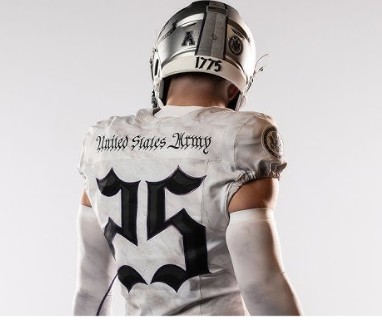
Fraktur and similar blackletter designs never disappeared, however, and since World War II have been widely used by neo-nazis as a link to the Third Reich. Appearing in banners, graffiti and tattoos, they have also crept into mainstream use, as on U.S. Army football jerseys in a recent Army-Navy football game.
In another appearance, Fraktur is used in an ICE recruitment video in which ice agents smash down doors and unleash an attack dog on a suspect. At the end of the video are three phrases: HUNT CARTELS, SAVE AMERICA, JOIN.ICE.GOV.
So, what can we say about typefaces? It’s important to know how typefaces work, why one font works better than another. It’s also important to understand that the typeface you use is part of the message. In some cases, it is the message.
If we are to find our way through the current moral and political crisis, we should pay more attention to our children.
That’s the message I got on Monday as Becky and I watched the HBO documentary, “We are the Dream: The Kids of the Oakland MLK Oratorical Fest.”
The film was shown at the Stoneham Public Library, which opened on the holiday just for the screening in commemoration of Dr. Martin Luther King, Jr. It was sponsored by our town’s Human Rights Commission.
“We are the Dream” tells the story of the children of Oakland, California, who compete in the annual MLK Oratorical, culminating in a remarkable presentation celebrating the life of the beloved civil rights leader.
In the film, the students, K-12, bring to life the words of Dr. King and others—poets, artists and activists. Sometimes, they perform their own compositions. We see them as they prepare, rehearse and take the stage.
Oakland, California, is a city of some 440,000 residents. Like San Francisco across the Bay, it is a consortium of races and ethnicities, with no one group a majority. Hispanics comprise about 30 percent, Whites 26, Blacks 20 and Asians 15. About 10 percent are listed as bi-racial, and there are smaller numbers of American or Hawaiian natives and Pacific islanders.
Which is to say, when you walk into Oakland’s schools, you will find the America envisioned 68 years ago in Dr. King’s “I Have a Dream” speech. You’ll see Black kids holding hands with White kids and Asian kids singing with Latino kids. You’ll find immigrants from around the world–from South America to Southeast Asia, from the Middle East to Eastern Europe.
Like most urban centers in the United States, Oakland struggles with issues of poverty, housing shortages and homelessness. What Oakland has demonstrated, however, is the that all races can live and work together and that diversity, equity and inclusion are essential American values.
What the HBO film shows us is that in a country still struggling with hate and division, we can create better. That’s the message of the children, and why we must pay attention.
In Stoneham, as well, we must pay attention to our children, those in our schools, clubs and churches, those like the young people at the Boys & Girls Club who gathered on Monday to thematic mural at the Teen Center on Central Street.
Have you noticed that children don’t get tied up in political and philosophical rationalizations? Most kids are quick to tell you what is right and wrong. They have an innate sense of fairness, and they know who the bullies are. They know violence is not the answer. As one second grader in Oakland said of the late civil rights leader, “Dr. King showed us how to fight without using our fists.”
Children know you don’t steal another person’s candy or their country. Or their dignity by calling them names. And you don’t shoot people who are getting in your way.
On this national holiday, the children call on us not to forget the dream of Martin Luther King. This dream, our children are showing us, can restore our spirit and renew our strength. It can lead us to renew our commitment to the “beloved community.”
Note: As we often spend time in Oakland during the winter, and as our son, who was director of academic programs for Oakland schools, was helping with this project, I was asked to fill in as one of the contest judges.. It just happened to be the year that HBO made the documentary above.
Woodie Guthrie wrote the lyrics. Martin Hoffman set them to music. Since then, it’s been sung by Bob Dylan, Joan Baez, Johnny Cash, Dolly Parton, Bruce Springsteen, Pete Seeger and Arlo Guthrie.
It’s a ballad called “Deportees” and it tells of an airplane crash in California’s Los Gatos Canyon. On board were 28 migrant farm workers from Mexico.
The lyrics are as searing now as in 1848 when Guthrie wrote them:
The sky plane caught fire over Los Gatos Canyon, A fireball of lightning, and shook all our hills, Who are all these friends, all scattered like dry leaves? The radio says, “They are just deportees.”
Guthrie wrote the ballad one night after news reports listed the names of the pilots, attendant and immigration guard lost in the crash, but referred to the farm workers only as “deportees.” After the braceros’ bodies were recovered, they were buried in a mass grave without names, marked “Mexican Nationals.”
The roundup of the Los Gatos laborers was just one episode in several government campaigns to remove Mexicans and those with Mexican ancestry. Mass deportation began in 1930 and continued through the Great Depression. Then in 1954, the Immigration and Naturalization Service (INS) brought out “Operation Wetback.” Under this federal program, officials used strong-arm tactics to arrest tens of thousands of immigrants across the country. Caught up in the raids were farm and factory workers, including American citizens.
In July of 1955, several thousand deportees were found wandering the streets of Mexicali, a desert town bordering California. Yanked from their jobs and families, they had simply been dumped across the border. According to one account, 88 died of heat exposure in the 112 degree heat.
In Texas, thousands of deportees were crammed onto boats bound for Mexican ports. Testimony before a Congressional committee described conditions akin to those on slave ships. Other immigrants were packed into trucks. By the end of Operation Wetback, the INS claimed it had “repatriated” 1.3 million Mexicans.
Goodbye to my Juan, goodbye, Rosalita, Adios mis amigos, Jesus y Maria; You won’t have your names when you ride the big airplane, All they will call you will be “deportees.”
Accompanying the mass deportations were media depictions of Mexicans as dirty, disease-bearing and lazy. News coverage focused on border and immigration officials conducting raids.
Only in time did most Americans come to see this as something shameful. In a 2012 ceremony in Los Angeles, Governor Jerry Brown and Mayor Antonio Villaraigosa formally apologized for California’s role in the deportations.
On Labor Day in 2013, United Farm Worker President Arturo Rodriguez joined hundreds gathered at the Holy Cross Cemetery in Fresno, California, to memorialize the 28 farm workers killed in Los Gatos Canyon. They were 25 men and three women. This time, inscribed in the headstone, was each person’s name.
Now, deportation planes are again in the sky. Planes to El Salvador, Guatemala and Honduras. Planes to India and Rwanda. Planes to Eswatini, a tiny country in southern Africa.
Through October 2025, the Department of Homeland Security operated 1,701 deportation flights to 77 countries. And it recently bought six Boeing 737s, expanding capacity.
Meanwhile, 66,000 men, women and children await deportation in detention centers. Arrested, often with brutal force, they were tracked down in streets, courthouses, parking lots, fields and construction sites.
Some of us are illegal, and some are not wanted, Our work contracts out and we have to move on. Six hundred miles to that Mexican border, They chase us like outlaws, like rustlers, like thieves.
Compared to programs of the past, Donald Trump’s campaign is Operation Wetback on steroids. The president wants 3,000 arrests a day, or one million by the end of his first year in office. Each day, it seems, he expands his list of targets, Somalis, Haitians, Venezuelans, Afghans. What they have in common is their darker shades of skin.
As I listen to Woodie Guthrie’s song, I think of my children and grandchildren. I wonder, what song will they sing in years to come? Who will write the words, and who will remember the names?
Will there be, one day in the future, a public apology, a ceremonial mea culpa for the cruelty, the harm inflicted on so many? If so, what song will we then sing.
In the darkness before dawn, a man from Georgia is riding in the baggage car of a northbound train. He is exhausted, and to keep awake, he opens the window. Cold air rushes in. Just then the engine whistle sounds, and sticking his head out the window, he sees the flickering lights of Philadelphia. It is Christmas Eve, 1848.
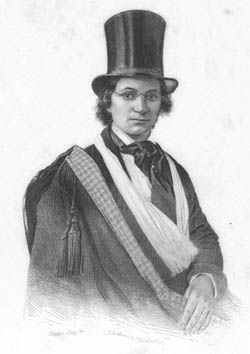
The traveler is a 24-year-old slave named William, on a journey with his master, “Mr. Johnson,” a young gentleman from Macon, traveling north for medical care. But things are not what they seem. In fact, Mr. Johnson is Ellen Craft, a tall, light-skinned African woman, cross-dressed as a plantation owner. And William is not just Mr. Johnson’s slave, he is her husband.
Allowed to marry, Ellen and William have avoided having children, shuddering at the prospect of bearing offspring who might be taken from them and sold. Their desperation has steeled them to dare an escape, despite the horrendous outcome if they are caught.
Born of a white owner and his African slave, Ellen was taken from her mother at age 11 and given as a wedding present. Now a house slave, she has been granted a few days off to visit her family. William, trained as a carpenter and rented out by his owner for wages, has also obtained permission to be absent from work. Growing up, he has seen both his parents and his 14-year-old sister sold away to pay debts.
Two weeks ago William and Ellen spent the night in Ellen’s cabin, planning their escape route. The distance from Macon to a free state is a thousand miles. For the Crafts, attempts on foot are out of the question. Instead, William and Ellen have decided to escape in plain sight, that is, in disguise. Using money saved from jobs on the side, William has been buying pieces of men’s clothing a young gentleman would wear. Ellen, a seamstress, has sewed a fine pair of trousers. She has locked the clothes in a little chest of drawers William made for her. The last thing William bought for his new “master” was a pair of green-tinted spectacles. They will leave on December 21.
The night before, William and Ellen spend the hours talking, asking, what if, and what should we do when? There is a major problem. At every train or customs station, Ellen will be required to sign a register, or to show papers. And she, like her husband, is illiterate.
Ellen has an idea. She will tie up her right arm in a sling, so she will not be asked for her signature. Further, to discourage questioning, she will have bandages with a poultice wrapped around one side of her head.
Just before dawn on Dec. 21, William takes out Ellen’s scissors. Standing behind her like a barber, he cuts her hair. Then he helps her into her gentleman’s clothes, complete with top hat. At the door they pause. No one is in the street. They slip out “quiet as moonlight on the water,” William will later recall, and they separate. They meet at the train station.
Their escape is laden with peril. On each leg there is a new challenge. Settling into her seat on the train to Savannah, Ellen is shocked to see a friend of her owner’s, who would know her, take a seat next to her. Feigning illness, she avoids his inquiries and is undetected.
From the Massachusetts Histoical Society. Not to be reproduced without permission.
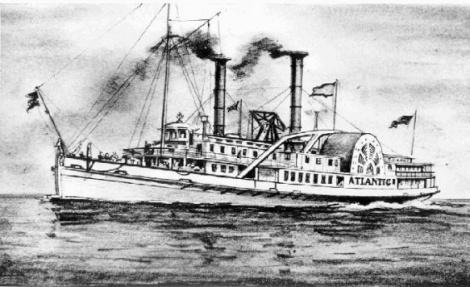
Arriving in Savannah, Mr. Johnson and his slave take an omnibus to the harbor, where they purchase tickets on a steamer bound for Charleston, South Carolina. Going aboard, William helps his master settle into his berth, then goes on deck to find a place to sleep. There are no accommodations for slaves, so he finds a warm place near the funnel on sacks of cotton, resting there until morning.
The next day, as William patiently waits on Mr. Johnson, a vulgar slave trader tries to purchase him from his master. Then a military officer scolds Mr. Johnson for speaking kindly to his slave. “Nothing spoils a slave so soon as saying, ‘Thank you,’” he warns him.
In Charleston, Mr. Johnson and his slave check into a hotel. Here the proprietor is solicitous of the young gentleman’s needs. While his master is served in the dining room, Williams eats off a broken plate in the kitchen.
The next morning, as they prepare to board a steamer to Wilmington, North Carolina, the station officer demands that Mr. Johnson sign the register, despite his apparent injury. Finally, the officer who has come on the same ship from Savannah steps up and vouches for the invalid gentleman. Overhearing this, the ship’s captain signs the register, “Mr. Johnson and slave.”
The next morning William and Ellen Craft arrive in Wilmington, and from there board a train for Richmond, riding in a section reserved for families and invalids. Here they are joined by an older man and two daughters, who insist on making Mr. Johnson as comfortable as possible, and share advice on remedies for rheumatism. “Papa,” one of the daughters says, “Mr. Johnson seems to be a fine gentleman.”
After the train stops in Richmond, the friendly father and daughters disembark, and a stout, elderly lady takes a seat beside the disguised Ellen. Glancing out the window, she sees William approaching on the platform and cries out, “Bless my soul, there goes my nigger, Ned.”
“No, that’s my boy,” Mr. Johnson replies. When William arrives, the lady confesses she was mistaken, then launches into a diatribe against her run-away slave, and all the slaves she owns. She plans to sell them away to New Orleans as soon as she can.
At Fredericksburg, the Crafts again board a steamer, this time to Washington, D. C. Once in the nation’s capital, they go directly to the train station and board a train for Baltimore.
When the train pulls into Baltimore, it is Saturday evening, Christmas Eve. Ellen and William are exhausted and their nerves frayed. They have expected detection at every step. For three days and nights they have had almost no sleep.
Stepping warily onto the station platform, Mr. Johnson and his slave go to the ticket office and purchase tickets for the final leg of their journey, the night train to Philadelphia.
But something goes wrong. Maryland is still a slave state, and it is illegal for any white man to take his slave into Pennsylvania, a free state, without authorization. After settling Ellen in her carriage, William returns to the platform, but is accosted by the station officer, who forbids him to board.
Returning to the station office, crowded with late-evening travelers, Mr. Johnson demands to know why he, a respected gentleman needing medical care, cannot take his faithful slave with him on the train to Philadelphia.
Ellen’s insistence turns to pleading, but to no avail. Have they come so far, only to be arrested as fugitives? They know well the fate that awaits captured run-away slaves. William has seen them attacked by dogs, whipped, tortured or killed as an example to others. Even if they survive, they will be forever separated, assigned to the hardest forms of labor.
As they wait in agonizing suspense, the train whistle sounds. Just then the train conductor enters the room and calls the all-aboard. Then, as if only by Providence, the station officer relents. Seeing how the young gentleman is in such poor condition, and it is Christmas Eve, he gives permission for the two to pass.
As quickly as possible, William settles Ellen into her carriage, then hops into the baggage car where he must ride. Slowly, in the early darkness, the engine picks up steam and the train pulls out of Baltimore station.
It is now almost five in the morning, and the weary fugitive with his head out the window gazes with fascination at the twinkling lights ahead of him. In the cold wind, tears are spreading on his cheeks, and something is happening he can hardly explain. His body has suddenly become lighter.
With a great hissing of steam, the train comes to a stop in Philadelphia station. William and Ellen wait until all the other passengers have disembarked, then William calls for a “fly,” a horse-drawn taxi, and hands the driver the address of a boarding house he has been told is run by an abolitionist. Here they will find refuge and support for their continued journey north.
Inside the carriage, Ellen leans her head on William’s shoulder and bursts into tears. It is Christmas Day. They are free.
Afterword: After boarding with a Quaker family outside Philadelphia, William and Ellen Craft make their way to Boston, where they are welcomed by the abolitionist community of free blacks and white allies. Here William works as a cabinet maker and Ellen as a seamstress until 1850, when the Fugitive Slave Act imperils their freedom and they flee to Nova Scotia, then England. Over the next 15 years they work, study, lecture and raise a family of four boys and one girl. After the Civil War, they return to Georgia and open a school for the children of former slaves. This retelling of their story is based on their book, published in London in 1860, titled “One Thousand Miles to Freedom.”
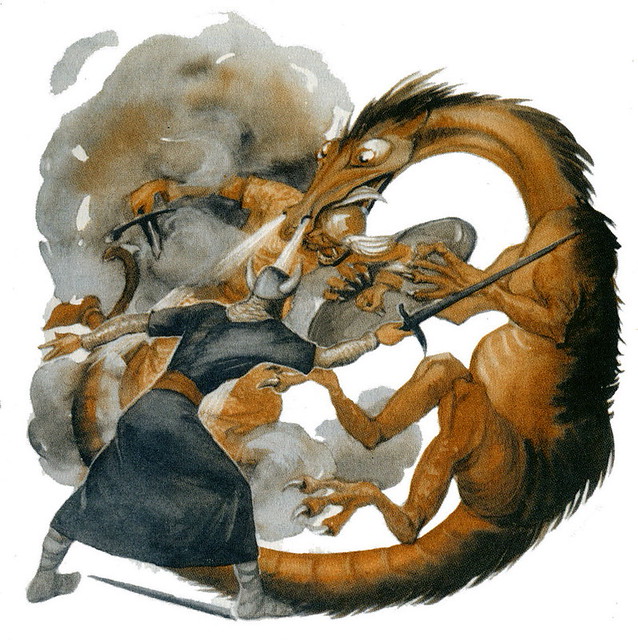
Art by Florence and Margaret Hoopes, from The Wonder Story Books – They Were Brave and Bold – Beowulf .
Denmark needed a superhero. A treacherous monster named Grendel was savaging them at night, slaughtering their best as they bedded in Heorot, the great hall of the king. Thus the stage was set for Beowulf, a brawny prince who crossed the sea from Geatland to rid the Danes of evil.
The prototype of the Western superhero, Beowulf does what neither King Hrothgar nor his warriors can do. He vanquishes both Grendel and the slayer’s vindictive mother, diving into a black sea, writhing with snakes, to bring an end to oppression.
Yet in the end, fifty years later, neither Beowulf’s strength nor courage can protect the people from the evil destroying their cities. It takes the wisdom of a thane, an underling named Wiglaf, to see that it is not enough to have heroes if the people’s hearts have grown cold.
We know the story as the first great epic in our language, not English as we know it, but Anglo-Saxon. Sung then written down around 900 CE, it was crafted by a descendant of the Angle, Saxon, Jute and Frisian invaders who overwhelmed Celtic Britain in the 5th and 6th centuries. The translation I like best is by the late Irish poet, Seamus Heaney.
A pagan saga with a Judeo-Christian overlay, Beowulf portrays a world in flux. Most modern tellings focus on our hero’s two great victories in Denmark. By the time we get to Beowulf’s last battle, however, things have changed. In several passages, blending Biblical narrative with a pagan’s rumination on the transitory nature of life, the poet reveals a shift in values.
In Beowulf’s world—as today—men seek gold, weapons and treasure. These give them status. With them, kings and queens gain allegiance, reward subjects and build alliances. Treasure shared holds the community together. Treasure hoarded leads to treachery. Hrothgar showers Beowulf with fine gifts: horses, fine armor “and a sword carried high, that was both precious object and token of honour.”
At the same time the king counsels the young warrior to remember he too is mortal. He warns him against vanity and pride, “an element of overweening” that will lull his soul to sleep and expose him to the enemy.
Pride and the lure of treasure surface again in the final act of the play, as Beowulf, now an old king, goes out to battle a “slick-skinned dragon, threatening the night sky with streamers of fire.” Guardian of an ancient underground barrow, the dragon has been burning farms and villages across Geatland, all in revenge for a jeweled cup stolen from its hoard.
Wanting to protect his people, Beowulf is “too proud to line up with a large army against the sky-plague.” He will face the monster alone, confident he will prevail as he did against Grendel and his mother.
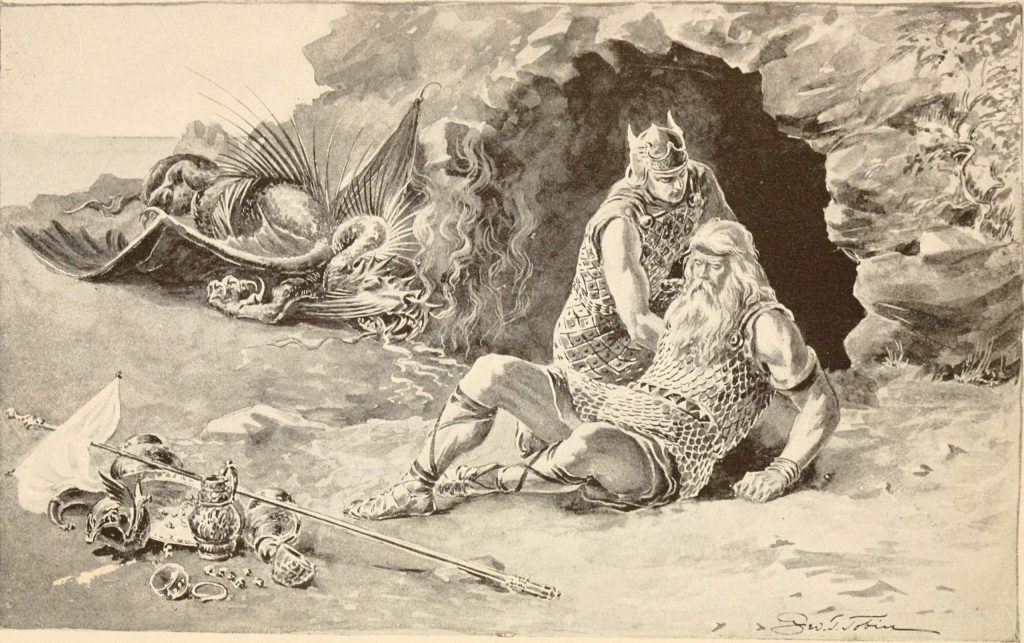
It is not to be. In desperate combat, Beowulf is mortally wounded. His famous sword, Naegling, breaks against the dragon’s scales, and the monster’s teeth penetrate his armor. Beowulf slays the dragon, but only with the help of Wiglaf, a young Geat warrior who could not bear to see his king go into battle alone.
As he is dying. Beowulf asks Wiglaf to gather samples of the dragon’s treasure, so he can feast his eyes on them:
I want to examine that ancient gold, gaze my fill on those garnered jewels (2747-9)
But the value of gold, jewels, fine weapons and armor—even the priceless cache found in the dragon’s hoard—is relative. Nowhere is this better expressed than in what happens next. Instead of using the treasure to enrich the kingdom, the Geats heap it onto Beowulf’s funeral pyre. They bury the rest in a great mound on the headland by the sea.
They let the ground keep that ancestral treasure gold under gravel, gone to earth as useless to men now as it ever was (3166-8).
Nearing the end of the epic, we sense a turning from sword power to soul power. Valued most highly now is inner strength, not physical prowess. The enemy are no longer dragons and monsters, but human rivals—Swedes to the north and Franks and Frisians to the south.
At Beowulf’s funeral, there is great sorrow, but also great fear:
A Geat woman too sang out in grief; with hair bound up she unburdened herself of her worst fears, a wild litany of nightmare and lament, a nation invaded, enemies on the rampage, bodies piled up, slavery and abasement (3150-5).
Wiglaf sees clearly what is to come. In a scathing rebuke, he tells his people they have lost more than a great king. They have lost their heart. It is true—their king chose to go into battle alone. Yet, when his warriors saw him bested by the dragon, they turned and ran.
The tail-turners, ten of them together, when he needed them most, they had made off (2848-9). Now, weakened by cowardice, Geatland is ripe for the picking. So it is goodbye now to all you know and love on your home ground, the open-handedness the giving of war-swords. Every one of you with freeholds of land, our whole nation will be dispossessed (2884-8).
Wiglaf knows that no amount of treasure, or armaments, will protect a people who are paltry of spirit, who abandon each other in times of peril. More important than gold or brawn is the steel of a person’s heart, which underlies all strength. In a remarkable description of interior growth, Wiglaf reveals the change that occurred in him when he ran to assist his beloved king:
There was little I could do to protect his life in the heat of the fray, yet I found new strength Welling up when I went to help him. Then my sword connected and the deadly assaults of our foe grew weaker (2877-80).
Wiglaf’s experience has given him insight into the interior world through which a warrior must journey. His wisdom makes our first English epic as relevant to our time as to his.
She loves us, she loves us not. She loves us, she loves us not. So the petals of the daisy tell the story of America’s love-hate relationship with her immigrant people—homesteaders and refugees, migrants and asylum seekers, those fleeing poverty, war, persecution and famine.
President Donald Trump, aide Stephen Miller, DHS’s Kristi Noem, and ICE tsar Tom Holman are not the first ones in our nation’s history to tilt America against immigrants. Anti-immigrant sentiment has been fanned into flames on and off from our earliest days. Posing as populists, politicians have railed against foreigners “poisoning the blood of our country,” as Trump put it in during his presidential campaign.
Since the first Europeans arrived without visas, and Africans arrived in chains, America has opened doors to newcomers, then shut them, opened, then shut them again. In the 19th century, we needed workers for our factories and farmers for our prairies. We needed merchants and tradesmen, engineers and inventors. It helped if you were Protestant and white. It wasn’t good if you were Chinese or Irish or Mexican.
Although doors for a while swung open to “your tired, your hungry, your masses yearning to breathe free,” by the 1920s they had all but closed again. Laws approved by Congress in 1917 and 1921 slowed immigration to a trickle, setting quotas based on national origin. These laws and anti-Semitic sentiment kept out thousands of Jews attempting to flee Nazi Germany. Included among them were 907 passengers–men, women and children–aboard the M.S. St. Louis. Refused permission to dock in Miami, the ship turned back to Europe. Some 250 perished in concentration camps.
The Immigration and Nationality Act of 1952 preserved a restrictive quota system favoring Europeans, but made an important change. The bill abolished the “alien ineligible to citizenship” category applied to Asians, although it limited the number of those who could qualify.
Deciding who to allow in America is one thing. What to do with those already in is another. The answer has often been harsh. For example, the Chinese and the Chinese Exclusion Act of 1882. For example, the braceros invited in to plant and harvest our crops.
In 1954, the Immigration and Naturalization Service (INS) brought out “Operation Wetback.” Under this federal program, officials used military-like tactics to arrest tens of thousands of immigrants across the country. Caught up in the raids were farm and factory workers, including some American citizens. Deemed unwelcome, they were flown, trucked or shipped across the border.
I was thinking of all this as I sat in a café in Woburn the other night, listening to the stories of three immigrants. From Nicaragua, Turkey and India, they shared stories of their arrival and the challenges and obstacles they faced. As they pursue remarkable careers in science, health care and technology, they are reaching out to others, mentoring and building community.
Above all, they are sharing their love for America. She loves me. She loves me not.
Like many Americans, I am pained by the policies and actions of our government, by the slamming of doors to thousands of refugees who were already been vetted for resettlement. By the ending of legal protections for thousands fleeing violence and persecution in their home countries. By the brutal and cruel tactics of ICE agents as they take parents from children and children from families.
The simple truth is, we need immigrants. We need them, not only for economic reasons, to bring young life to an aging demographic, but for their love ethic.
In autumn the Old Burying Ground in Stoneham changes its colors. Yellow and orange leaves fall about the gravestones of the founders of our town. The Goulds, Greens, Holtens and Hays. The Spragues, Stevens, Richardsons and Wrights.
But beyond the cluster of 18th and 19th century stones, there are open areas where no markers disrupt the gentle slope of the earth. Here lie those with no status in early Stoneham. Here are buried the town’s paupers, natives and slaves.
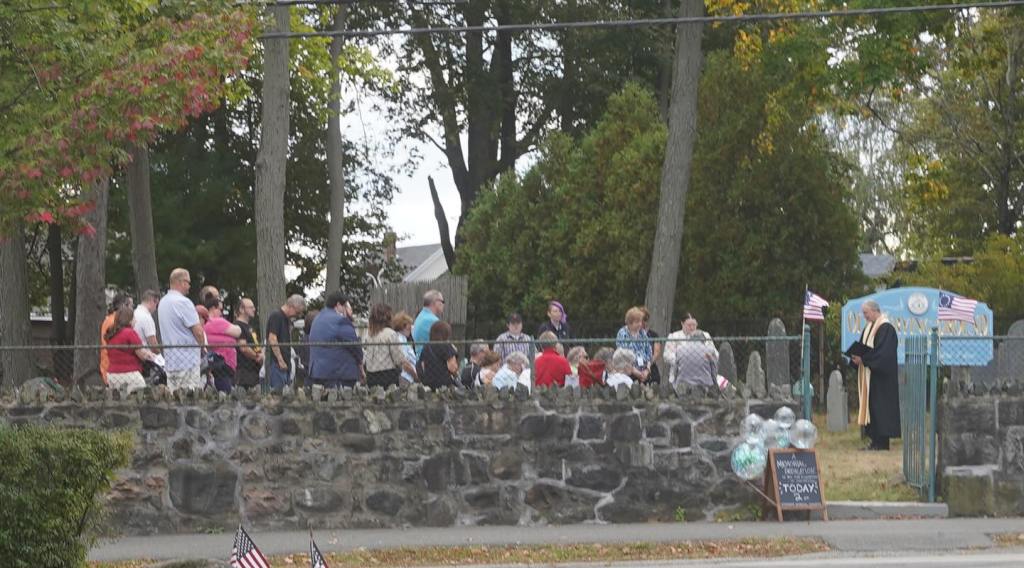
On a recent Saturday, thanks to the Stoneham Historical Commission, Stoneham folk gathered in the Old Burying Ground to remember all those buried in unmarked graves. How many were there? It’s impossible to know, even with radar ground studies. But a scouring of town and church records suggests there were over five hundred.
Who were they, these men and women who, along with our better-off European ancestors, built Stoneham? Who, in the case of slaves, toiled without pay or hope of freedom. Who, in some cases, married, had children and attended church, but were prescribed to the lowest rungs of society?
The first white settlers in Stoneham, then called Charlestown End, arrived in the mid-17th century, about two decades after English colonists led by John Winthrop founded the Massachusetts Bay Colony. Not long after, came the slaves.
The earliest record I could find of slaves in the Stoneham area is in Elbridge Goss’ History of Melrose. It appears in a 1653 order from the General Court, stipulating that a slave owned by Job Lane, named Ebedmeleck, must be punished for “stealing victuals and breaking open a window on the Lord’s day.” He shall “be whipt with five stripes.”
In the century before the American Revolution, at least nine families in Stoneham owned slaves, including the Greens, who settled in the eastern and southeastern area of our town. The Green farm, extending from the Melrose line to Pond Street, would be the home of five generations of the Greens. Forty-two Greens would be buried in the Old Burying Ground.
An inventory of Captain Jonathan Green’s possessions in 1761 includes, along with 3 horses, 6 oxen, 9 cows, and 20 sheep, “2 servants for life.”
Jonathan Green’s name also shows up in the indenture contract binding a 7-year-old girl to the Green family for eleven years. My column of September 11 tells her story.
The Rev. Ken McGarry offers dedication prayer for all those buried in unmarked graves in the Old Burying Ground in Stoneham.
Indenture in New England was one way of dealing with poor, illegitimate or otherwise destitute children. If they were fortunate, they learned a trade, or, in the case of young women, found a husband after completing their term. Adults were also indentured, often as house servants. In an inventory of the late town minister, James Osgood, is found, along with his other possessions, one Negro woman and one white servant.
Towns also had poor houses, as did Stoneham, although it was customary for officials to “warn out” paupers coming into town, so they would not become a drain on resources.
The earliest mention of an almshouse in Stoneham is a note by Silas Dean that in 1760 town leaders explored working with Reading and Woburn to establish a “work house,” a place for the poor.
The next reference I found is in William B. Stevens’ History of Stoneham, where he records the 1823 purchase of a farm in northeast Stoneham as a place for the poor. As in communities throughout New England, poor farms were funded by towns and cities at public expense. But they were also working homes for the able bodied who could either farm, cook, do laundry, or work at a trade. Here you might find a widow, a disabled or indigent worker, or an orphan.
As Stoneham’s population increased, a larger facility was needed. In 1852 the town purchased 17 acres on Elm Street and began construction of a new Almshouse. Additional acres were later purchased, and the house was enlarged and a shop added where the shoemakers in the home could work. In 1890 the Stoneham Almshouse had 30 residents. Today, it is our Senior Center.
The Old Burying Ground was also the burial place of Native Americans. We know of two because it made the papers. In February of 1813, ruffians murdered a Penobscot couple that had set up camp by Spot Pond. Their names were Nicholas and Sally Crevay. I tell their story in my book, If the Shoe Fits: Stories of Stoneham, Then & Now.
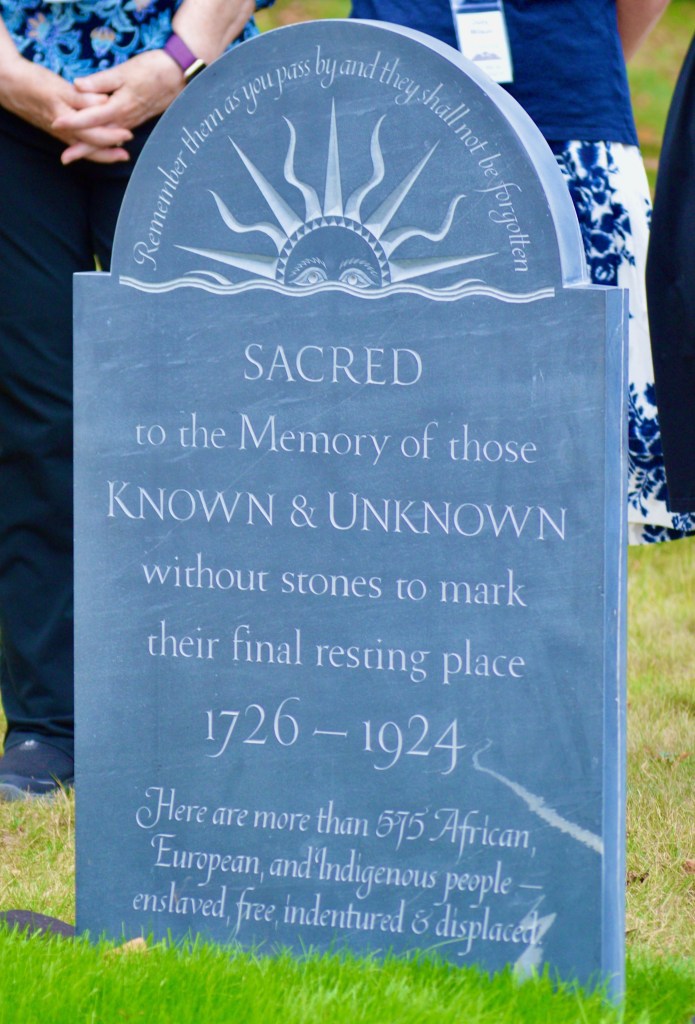
The next time you visit the Old Burying Ground, pause a moment at the beautifully designed memorial placed there by the Historical Commission. It honors the hundreds buried there in unmarked graves, people who lived among us and helped build our town. As we celebrate our Tricentennial, it’s the right thing to do.
She was seven, too young to lose one parent and be taken from the other. Her name was Abigail. We know about her became Silas Dean, longtime town clerk and church deacon, wrote about her indenture in A Brief History of the Town of Stoneham, published in 1870.
Abigail’s father was Daniel Connery. He lived, according to Dean, in a house “for a long time called Connery’s Den,” the lair of, among other things, Dean comments wryly, “lion rum.”
Daniel died in or before 1776, although his death is not listed in town records. For the family, losing the breadwinner put them in grave peril. There was no safety net then, and the almshouse on Elm Street wouldn’t open until the next century.
Abigail’s mother is not named by Dean, nor is she named in the indenture agreement. She was most likely Elisabeth Phillips of Lynn, married in 1763 to Daniel Connery, as recorded in both towns.
I can only imagine what it must have been like for her, as on May 6, 1776, she prepared to deliver her seven-year-old for indentured service. Was she there as the five selectmen and two justices of the peace signed the legal papers? Did she accompany her daughter to her new family?
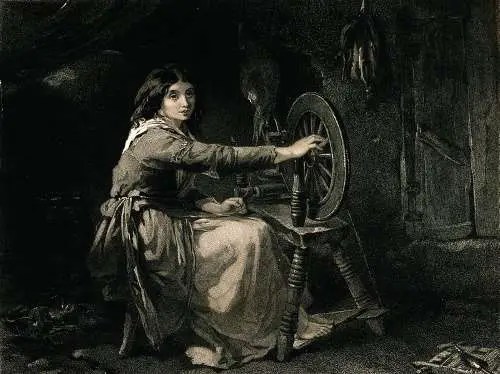
So it was that on this spring day Agibail was placed and bound “to Jonathan Green . . . and his wife . . . to learn to spin, knit and sew” and “after the manner of an apprentice to serve for the term of 10 years, 11 months, and 27 days” until she turns 18 (modernized spelling and capitalization.)
Although the document doesn’t specify which Jonathan Green is named—Captain Jonathan Green or his son of the same name—it’s reasonable to assume it is the elder, one of Stoneham’s most prominent and prosperous citizens. A fourth generation of Greens that arrived from England in the 17th century, Captain Jonathan Green was for many years town clerk and treasurer. For 20 years he was a selectman. He commanded a company of militia, and he owned slaves. An inventory of his possessions in 1761 includes, along with 3 horses, 6 oxen, 9 cows, and 20 sheep, “2 servants for life.”
Jonathan’s wife was Rebecca Bucknam, whom he married in 1749 after two previous wives had died. In the home would have been one son, Jesse, 13, and perhaps daughters Sarah, 18, and Rebecca, 21.
As we read the indenture document, it’s important to note its transactional terms. Both parties—the family and the indentured person—will get something. Likewise, each has obligations.
First, Abigail is obligated to serve her master and mistress faithfully and their “lawful commands gladly everywhere obey.” She must also keep their secrets. Today, we call that a nondisclosure agreement. Further, she must do no damage to them or their home or waste their goods. And she must not leave the premises without their consent.
Abigail is also to commit no fornication or enter into matrimony. Also, she must refrain from playing cards or dice. Finally, she must not “haunt ale houses taverns or playhouses, but in all things behave herself as a faithful apprentice ought.”
On the other side, Captain Green and his wife “hereby covenant and promise to teach and instruct … in the art of spinning, knitting and sewing.” They must also provide “sufficient meat, drink, washing and lodging both in sickness and health.” They are also required to teach her to read, although nothing is said about writing or mathematics.
These terms extend through the 11-year-term. Then, when Abigail turns 18, they must give her what were known as “freedom suits.” In this case, “two suits of apparel both wool and linen, fitting for all parts of her body”—one suit for work days and the other for “the Lord’s day.”
As in England, indenture was common in the Massachusetts Bay Colony, involving children as well as adults. Records show that between 1735 and 1805, over 1,400 children were bound over as indentured servants. Hundreds were below the age of 10 and three dozen below the age of 5. Poor, abandoned, orphaned or illegitimate, they would grow up in the households of better-off families. They would eat at their table, take on chores, and assist in the business of the home. The most fortunate would learn a trade, or, in the case of girls reaching adulthood, find someone to marry.
What happened to Abigail we don’t know. Her name doesn’t show up in any other town records. Was she treated well? Did she complete her indenture, perhaps become a seamstress? Did she marry and move away? Thinking of her, I think of my daughter and granddaughter at that age. It must have been heartbreaking for Abigail and her mother.
Nor do we know any more of Elisabeth Connery. Her name doesn’t appear again in either Stoneham or Lynn vital statistics. Did she visit her daughter from time to time? Did she move away.
Meanwhile, Abigail would have grown up in the new Republic, as Massachusetts went from a colony to statehood. What would the changes sweeping through society have meant to her? I only wish we knew more.
Notes:
I found only one reference to indentured service involving an adult in Stoneham. In the 1746 probate inventory of the late Rev. James Osgood’s possessions is this line: “a white servant for a term £25.” The unnamed servant must have had time left on his or her indentured service, valued at 25 pounds. With this entry was also “a Negro woman £70.” She had been purchased by the minister in 1744 and was “a servant for life.”
There is also reference made to the indenture of one of Stoneham’s early settlers, Patrick Hay. Silas Dean tells of a young Scottsman who fled his apprenticeship in Edinburgh, boarded a ship to Salem, then was again indentured “for six or seven years” to a Lynnfield farmer to pay for his passage. Completing his term, he came to Stoneham “with his axe and gun” to clear land for a homestead.
Ben Jacques is the author of In Graves Unmarked: Slavery and Abolition in Stoneham, Massachusetts, and If the Shoe Fits: Stories of Stoneham, Then & Now.










 Ben Jacques Stories