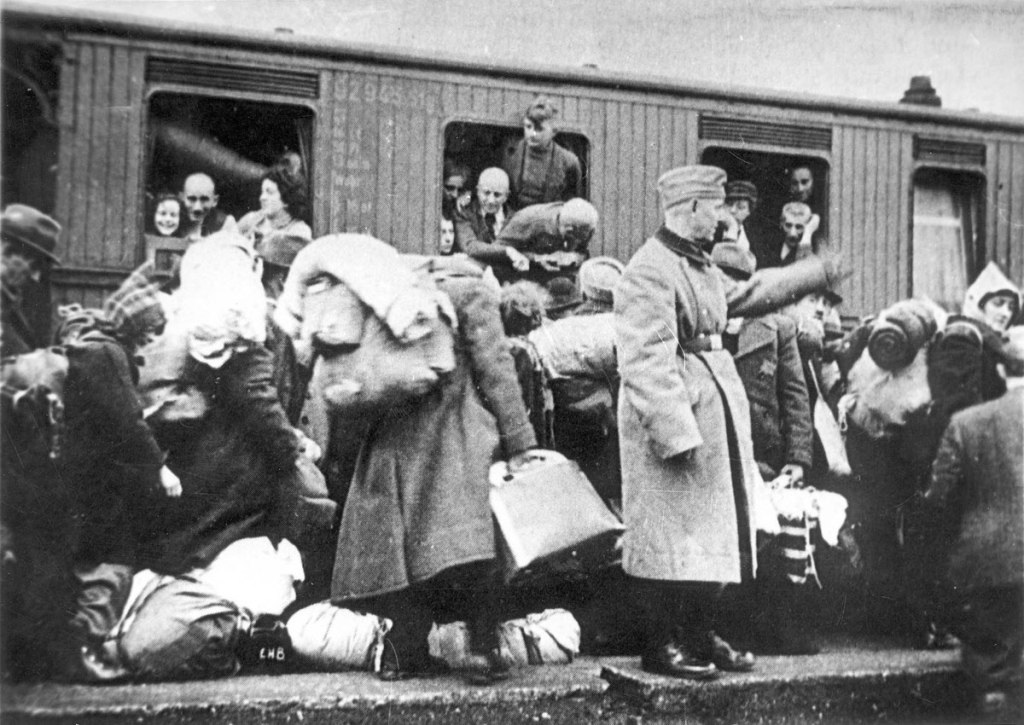
Sometimes I ask myself what I would have done if I had lived in Germany under Nazi rule. I remember hearing a recent conversation between the daughter of a Holocaust survivor and a college student.
“If you want to know what you would have done in Hitler’s time,” she said, “ask yourself, ‘What am I doing now?’”
“What do you mean?” the young man replied.
She continued: “What are you doing now about injustice in your own society?”
“Well,” the student replied, “to be honest, nothing.”
“Then, that’s what you would have been doing in Germany,” the survivor answered.
It was a sobering moment, and in the silence that followed, I thought of what had been happening in our country. I thought of George Floyd, murdered on May 25, 2020, by a policeman in Minneapolis, triggering outrage across the country.
That November Joseph Biden was elected president. Then on January 6, two weeks before Donald Trump was to leave office, his supporters smashed their way into the U.S. Congress, killing and injuring police officers as they tried to overturn the election results.
Four years later, riding a wave of anti-immigrant sentiment, Donald Trump returned to office, promising to deport 15 million immigrants in what he called “the largest deportation program in American history.” He called immigrants terrorists and rapists and said they are “poisoning the blood of our country.”
In a nation built by immigrants, Trump and his associates have unleashed a massive and brutal campaign to remove them, most of whom are living peaceably in our cities and towns, working, paying taxes and raising families. The vast majority are Latino, Haitian and African.
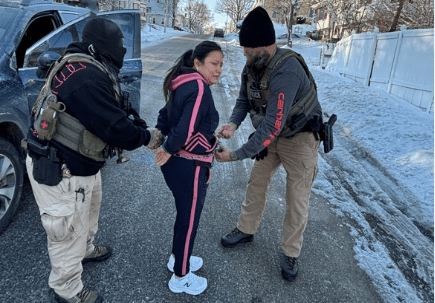
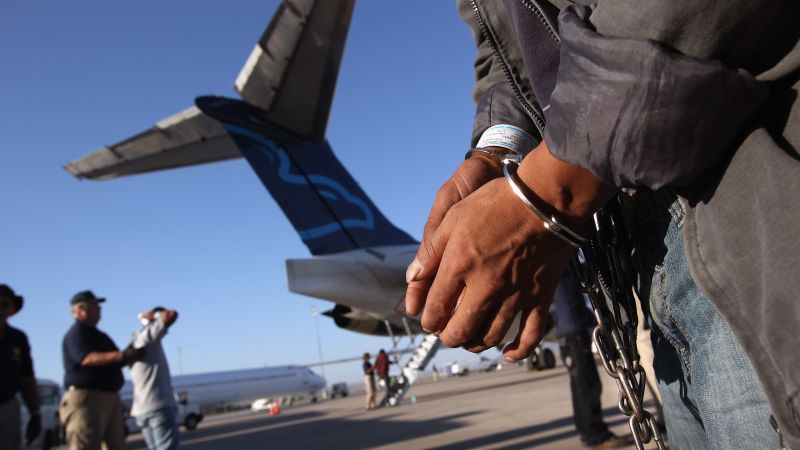
In targeted actions across America, masked ICE agents have abducted hundreds of thousands–fathers, mothers, students and children, then flown them to one of 212 detention prisons to await deportation, often to countries where their lives are endangered. Agents have shot and killed both suspects and protestors and dozens have died in detention.
At the same time, the Trump government has revoked the legal status of millions more, including those under Temporary Protective Status and the Dreamer program. It has also gone after those awaiting hearings on asylum and Green Card applications.
The cruelty of the mass deportation program is exhibited in countless stories, for the most part ignored by mainstream media. If you happen to join the protestors each Wednesday at the New England ICE Headquarters in nearby Burlington, you will hear stories to break your heart and turn your stomach.
You’ll also learn of conditions inside the Burlington ICE building, which provides temporary imprisonment of arrested men and women. A woman from the Dominican Republic said she spent nine days in a holding room with 16 other women sleeping on the concrete floor with only a Mylar blanket. The only bathroom was an open toilet and the room stank.
From the Burlington Center detainees are flown, often from nearby Hanscom Field, to detention prisons as far away as Louisianna, Texas and California, cutting them off from family and legal support.
Perhaps, you, like me, are heartbroken by the savage treatment of our immigrant population. If so, let me suggest two responses. The first is to go online to the Massachusetts Immigrant and Refugee Advocacy (MIRA) coalition at miracoalition.org. It’s a marvelous, multi-service organization providing support for immigrant families and linking them to legal aid.
The second is to check out Bearing Witness @ ICE, online at bearingwitnessNE.org. Better yet, take the short drive over to Burlington, 10 District Ave., on a Wednesday, as hundreds of people like you and me gather to protest and learn ways to support not only those arrested, but their families, suffering separation and loss of income.
There’s more going on at the ICE center in Burlington. Here’s a list of actions scheduled throughout the week. Check out the websites for more information and updates.
MONDAY & TUESDAY—11 am to 1 pm, sponsored by FIX ICE, fixice.org/mondaytuesday.
WEDNESDAYS—11 am to 1 pm, Bearing Witness @ ICE Burlington, bearingwitnessNE.org.
THURSDAYS—11 am to 1 pm, Justice 4 All @ ICE Burlington, Facebook Group: https://tinyurl.com/48jkcznk.
SATURDAYS—10 am to 2 pm, ICE Weekend Watch, https://tinyurl.com/mutcubd.
SATURDAYS—11 am – 1 pm, No Fear Street Theatre, Corner of Mall Road and District Ave., http://www.nofearstreettheater.com/
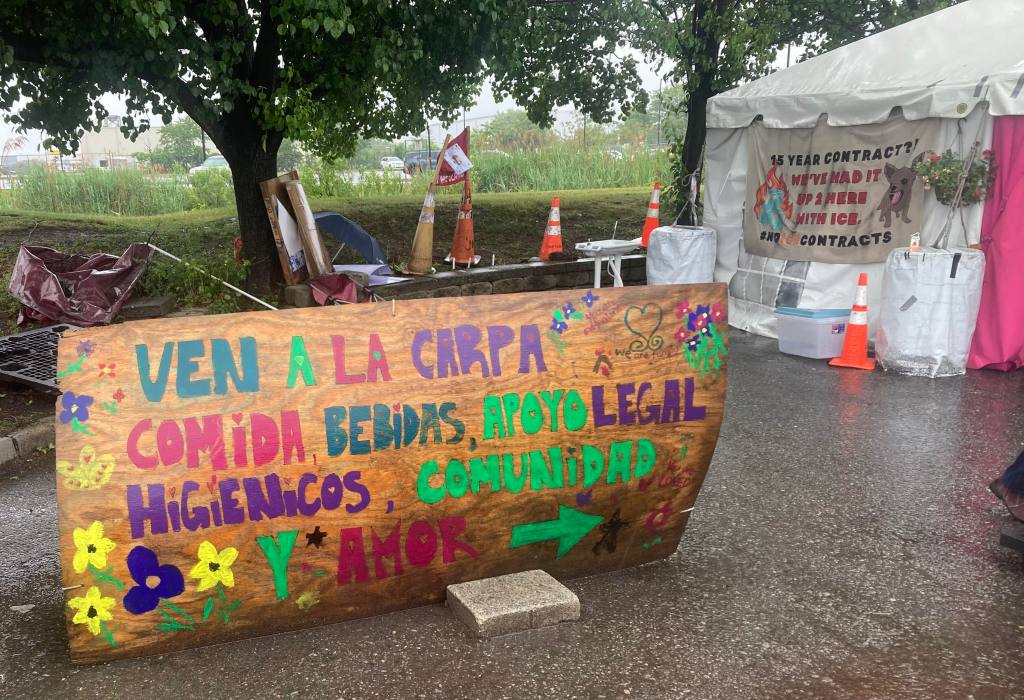
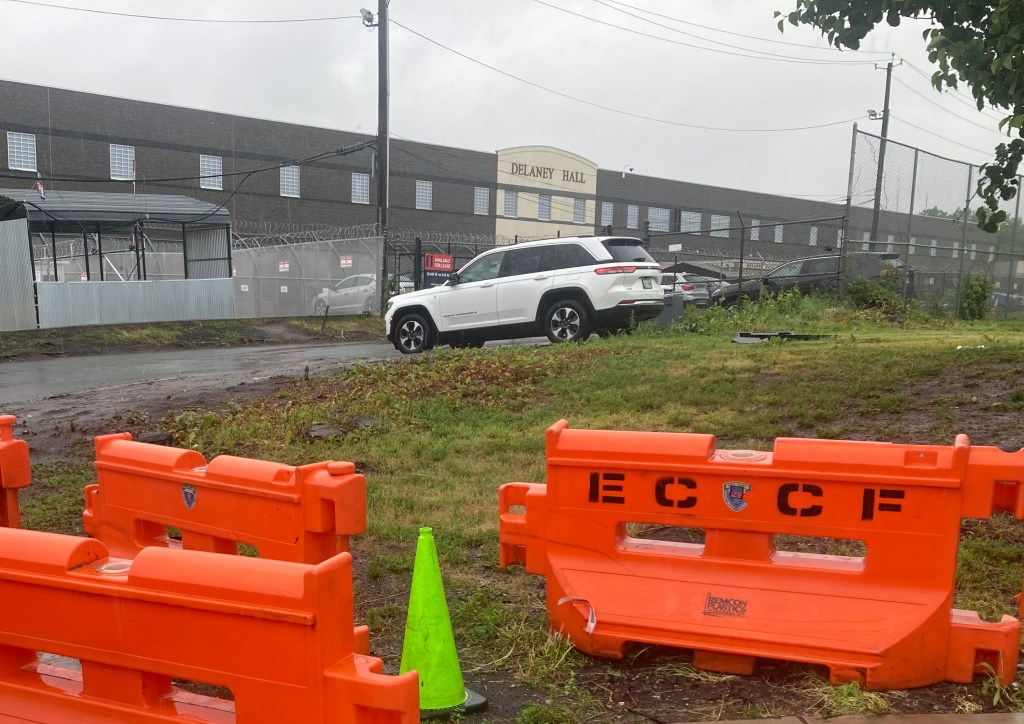
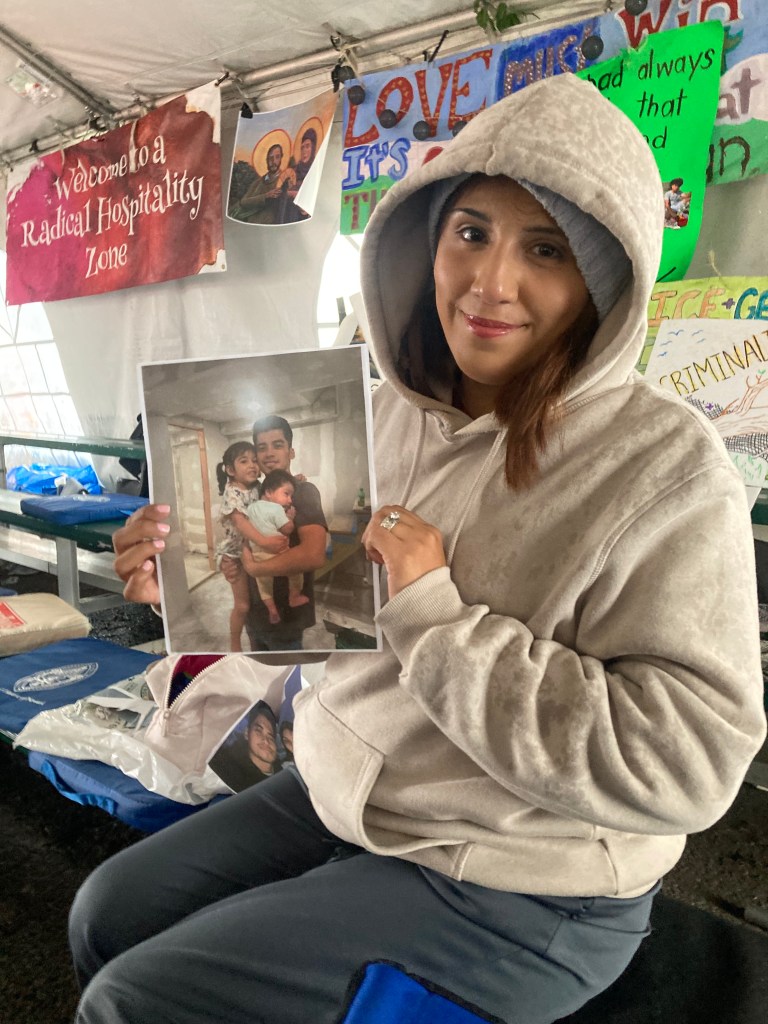
Not long ago, on a rainy day outside Delaney Hall in New Jersey, my wife and I sat with a young mother whose husband, locked up inside, had just started a hunger strike protesting rotten food, harsh treatment and lack of medical care. She showed us a photo of him with their two young children. She recently suffered a miscarriage of a third child.
That weekend, her husband was secretly transferred from Dalaney Hall to another detention prison, where he was put into solitary confinement. He is still there.
If you want to know what you would have done in Nazi Germany, ask, what are you doing now.