1936 & 2026–What will we remember?

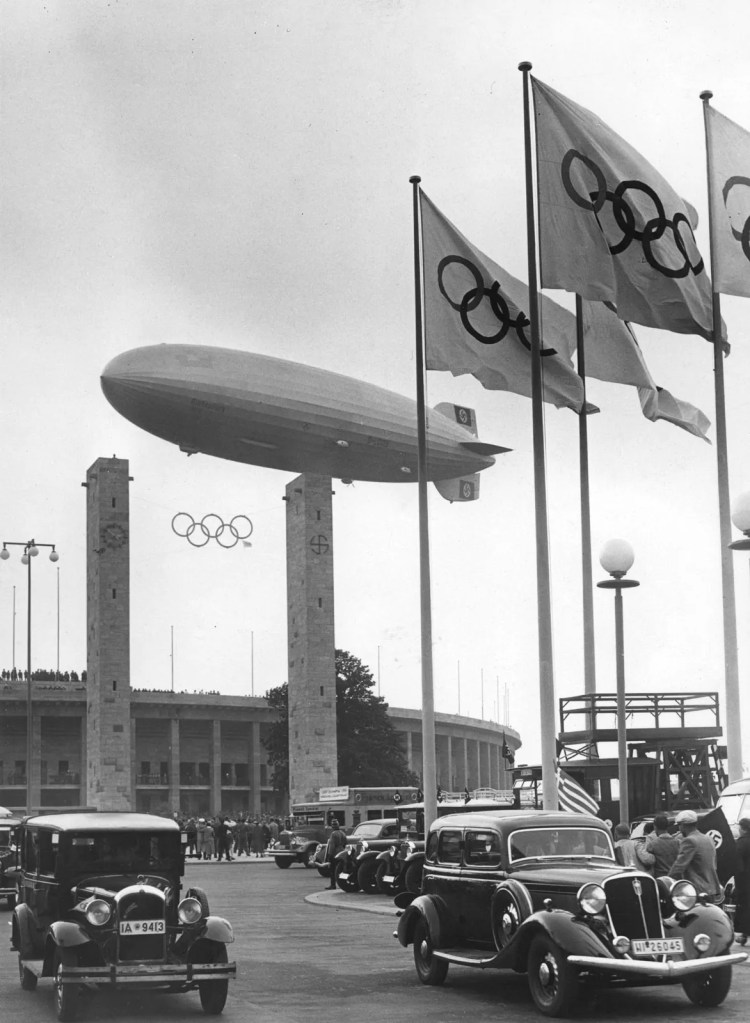
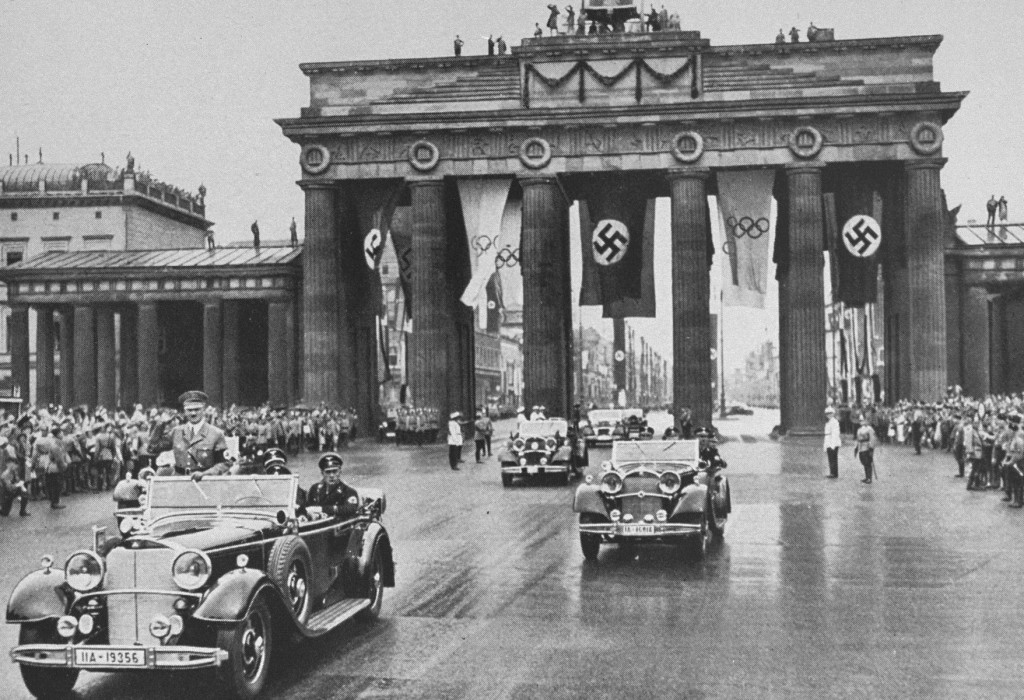
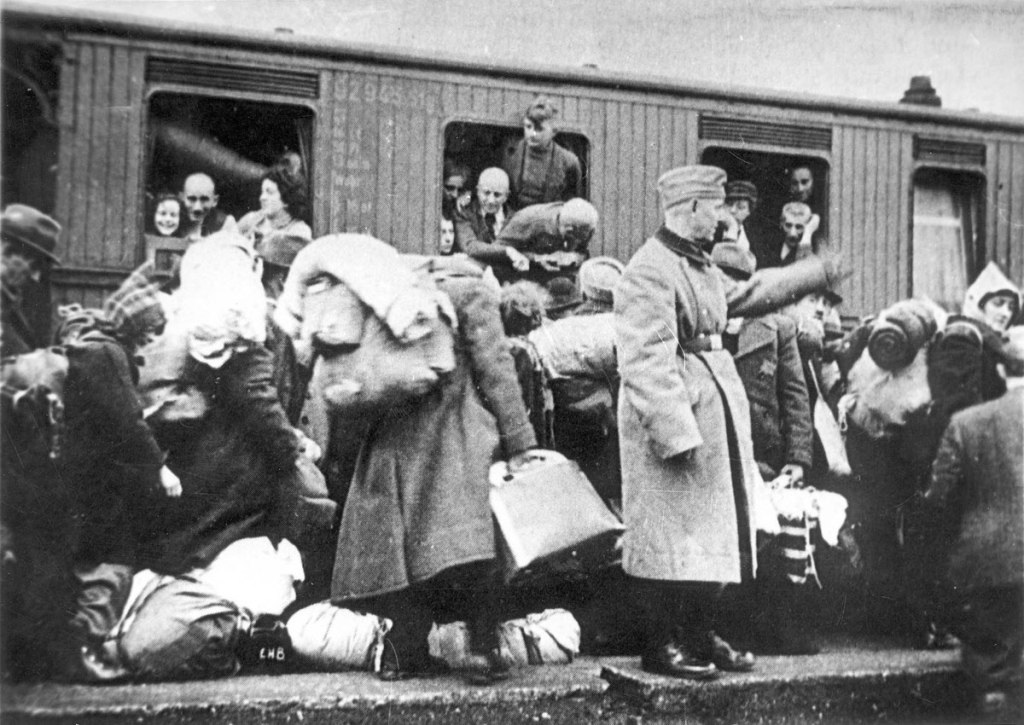
The black-and-white photos are eerily compelling. A giant airship, the Hindenburg, hovers above the stadium. In another, a runner in white, carrying a torch, leads other runners through the streets. A third shows Adolf Hitler and his entourage as they pass through the Brandenburg Gate. The Führer is standing in his open Mercedez Benz. A fourth shows him arriving in the massive Olympic stadium as 120,000 Germans raise their arms in Nazi salute.

We remember the 1936 Olympics as a pivotal event, showcasing the glory and the infamy of the Third Reich. It took place three years after Adolf Hitler came to power and three years before Germany invaded Poland and World War II began. I think of these games with all their ceremony as I watch the final games of the World Cup, hosted by the United States, Mexico and Canada.

When the Olympics opened in 1936, anyone who was paying attention knew of Germany’s persecution of Jews, Roma and others. As early as 1933, the Nazis had instituted an Aryan-only policy in all athletic organizations. Jews were excluded from sports facilities and associations. Other actions were more sinister.

In April of ’33, the government barred Jews from holding civil service, university, and state positions. That same month it instigated boycotts of Jewish businesses and shops. In May, across the street from the University of Berlin, mobs burned over 20,000 books. That spring, the Nazis opened the first of 23 main concentration camps near Dachau.

In the next two years Hitler pushed through a series of “Nuremburg Laws,” stripping Jews of their citizenship and prohibiting intermarriage. Germany also began compulsory sterilization of the “unfit,” mentally and physically disabled persons in nine categories. Euthanasia would come later.

In the summer of 1936, in preparation for the Olympic games, the Nazi government put on a kinder face for the world. Antisemitic signs and posters were taken down and government pronouncements muted. To show its racial tolerance, Germany included in its Olympic team of 433 athletes one Jew, the star fencer, Helene Mayer, whose father was Jewish.

Considered a triumph of propaganda, the 1936 Olympics showcased Germany as a respectable and welcoming member of the international community, a nation built by hard work, family values and patriotism.

What most Americans remember about the Berlin games, however, was the brilliance of Jesse Owens, who won four gold medals, defying the Hitler’s racial ideology. With his stunning victories, Owens became a household name, with little thought to the racial prejudice he and other African Americans faced back home.

There were 359 athletes in the American team, including 18 African Americans and two Jews. The Jews were Marty Glickman and Sam Stoller, both talented sprinters. Controversy would later erupt when it was learned that on the day of the 4×100-meter relay, for which they had trained, they were pulled from the race, many believe, to spare Hitler further embarrassment.

Despite the success of the Americans, the Germans won the lion’s share of Olympic medals, 38 gold and 101 total, bolstering the Nazis’ claims of Aryan superiority.

As we watch the finals of the World Cup on Sunday in New York, we close one of the most successful international sports events of our time. Sixteen cities in three North American countries have hosted 102 games, rich in ceremony and bonhomie. The 46 teams came from five continents, thrilling fans and spectators with their passion, pride and skills on the pitch.  

I’m wondering, though, how we will look back on the 2026 World Cup, and particularly, our country and what was going on out of sight. In writing this, I am not saying things in America are the same as in Germany in 1936. They are not. But there are similarities.

While athletes from around the world have been chasing soccer balls, the government has been chasing immigrants in what it promised would be the largest mass deportation project in American history. The slogan for ramped up enforcement in Maine was titled “Catch of the Day.” Arresting thousands a day in streets and job sites around the country, the government is holding some 70,000 men, women and children in 212 detention centers, where they await deportation. Thousands more are being flown every day to countries they had fled or other unsafe destinations.

Fathers and mothers have been taken from children. Wage-earners arrested have left families stranded. Men and women have been shot and killed, leaving their blood in the streets.

Targeting not only those without documentation, but 1.3 million here legally under the Temporary Protected Status, the government has in effect instituted ethnic cleansing, considered a crime against humanity. Most of those arrested are black or brown.

Before mass deportation began, the President and others engaged in persistent slander of people from Haiti, Africa and Latin America. Is this not reminiscent of the Nazis’ decades-long efforts to dehumanize Jews, necessary before action can be taken against them? Necessary before “the final solution”?

Years from now, we will recall the glorious World Cup games of 2026, a time when athletes and fans from around the world joined us, competed against us and celebrated with us. Yet so much has been going on behind the curtain.

What will we remember?

Photos from the National Archives

Lessons from the Pitch

I didn’t grow up with soccer. The only time I played was in a pasture in Austria, where I was a student. The school, Seminar Schloss Bogenhofen, was in the countryside near the town of Braunau, infamous for being the birthplace of Hitler.

One of only a few American students, I was encouraged to join my Austrian classmates in a pick-up game of Fussball. On the field, I quickly embarrassed myself with my clumsy moves. I also kept a lookout for cow pies.

Fast forward to Stoneham in the 1980s and my wife and I are standing with other parents on the sidelines at the soccer field off Broadway. Our 10-year-old son has just received a pass and punched it into the goal.

Although he would later abandon soccer for basketball, we gradually developed an interest in “the beautiful game.” Not yet serious fans, we nevertheless enjoyed World Cup and Olympic contests, especially the successes of the USA Women’s team.

This year, with World Cup games coming to Boston, we’ve spent way too much time watching matches on TV. We’ve cheered not only for our country, which showed great talent before losing to Belgium, but for various teams from around the world.

In picking which teams to cheer for, besides USA, I follow two principles. The first is, I like the underdogs. Who doesn’t like an upset? Or a herculean effort by a low-ranked team, like Cape Verde, who pushed Argentina to the limit before bowing out in the round of 16.

The second is, I like teams from places I’ve been, or have friends and family members living there. For this reason, and also because they were such fun to have in Boston, we cheered loudly for Scotland.

For similar reasons, I cheered for Germany because I have cousins there. I cheered for African teams because I was born in Tanzania. I cheered for Portugal because of our neighbors, who came from Portugal. I cheered for Mexico because we once took a train to Mexico City. I cheered for Brazil because we have so many Brazilians among us. And I cheered for Canada because, well, how can we not?

Having the World Cup in North America allows us to see some of the best players in the world. Like Messi, Ronaldo and Mbappé. Erling Haaland and Harry Cane aren’t bad either. And it brings hordes of fans into our cities, stadiums, bars and streets. In the faces of fans from around the world we see the same spectrum of emotions as those we feel—boisterous displays of joy and pride, bouts of anxiety and the agony of defeat.

We also learn about their countries and culture. Googling during water breaks, I find out that Cape Verde has a tiny population of only half a million, or that Uruguay is in the southern cone of South America east of Argentina and south of Brazil. Its name comes from the river Uruguay, which means “bird river.”

Watching the World Cup, I realize that the world we are seeing is richly diverse and abundant in cross-border bonhomie. In many ways, it reflects the demographic landscape that is already here. A nation of immigrants, we revel in the reunion of cultures from around the world.

I also realize, sadly, that this is a world our President and his lieutenants despise. It’s not just his America First doctrine and his disdain for other nations and cultures. Or his contempt for “shithole countries,” and his slanderous rants against Haitians, Mexicans and Somalians. It’s his open espousal of white nationalism and his attempt to rewrite American history.

It’s also his attempt to purge America of its black and brown immigrants. Even as I sit on my couch enjoying a World Cup match, I know that in 212 detention centers around the United States, some 70,000 immigrants are awaiting deportation. Thousands more are being arrested each day. They are in essence no different from the players we see on the pitch, or the fans that follow them. They are no different from us.

As we watch the semi-finals and championship game—and as we celebrate our 250th Birthday—this World Cup has something to teach us. Like the inspiring photographs of the earth taken from the recent moon voyage, the World Cup should convince us that we are, in truth, one world. It’s time we start acting like it.

Becky’s Garden

In our son’s neighborhood in Oakland live Becky (same name as my wife) and Gee, a couple we have made friends with. About our age, they are originally from the Philippines and have made good lives in California, raised three daughters and have many grandchildren. When we are visiting our family, we walk around to see if Becky and Gee are home. Last time we four walked up to Pete’s Coffee house, about half a mile in the Dimond district. During one visit, they took us for lunch at a fabulous Chinese restaurant in Alameda.

In California, succulent gardens are encouraged, as they use less water. As we walk in the neighborhood, we stop to take photos of flora we seldom see in the East.

Becky’s garden is full of succulents, planted or in pots–in front, in the driveway and back yard. In back there is also a huge tangerine tree. Last year, because Becky and Gee can no longer harvest the high fruit, our son and grandson helped. Becky sent them home with bags of tangerines. Our grandchildren took turns with the hand presser, squeezing a bunch of them into juice. Others we peeled and enjoyed.

On our last visit, I took photos of Becky’s garden. Here they are, designed as a poster. Here it is:

If you’d like a digital copy for printing, let me know. You can email me at hbjacques@gmail.com. Or leave me a comment.

DU BOIS, JUNETEENTH AND THE SOUL OF AMERICA

At the dawn of the century, 123 years ago, W. E. B. Du Bois published a remarkable book, titled The Souls of Black Folk. Drawing back the veil that separated black and white Americans, he portrayed in lyrical prose a people of separate and unequal status.

Born in Great Barrington, Massachusetts, just three years after the Civil War, Du Bois studied at Fisk University, then became the first African American to earn a doctorate at Harvard. Sociologist, teacher, activist and author, he fought a resurgent racism that relegated African Americans to the lowest rung of society, denied them voting, and terrorized them with violence.

In his introduction, Du Bois wrote: “The problem of the Twentieth Century is the problem of the color-line.”  I submit that it is still true today.

W. E. B. Du Bois

Tomorrow, as we celebrate Juneteenth, the day enslaved folk in Texas finally learned they were free, we must look again at race as the defining marker in President Trump’s campaign to remove millions of black and brown people from America.

In the 21st century, as in Du Bois’ time, we are witness to the orchestrated dehumanization of people of color. Consider the slander coming out of the White House against Haitians, Mexicans and Somalis. Consider the targeting of minority officials, judges and politicians. Consider the redistricting of voting maps to exclude African Americans.

Consider the daily arrests of our immigrant neighbors—the vast majority who are black or brown. Taken from their families, they are flown to detention prisons to await deportation.

The Brookings Institute reports that in Trump’s second term, well over 100,000 children have been separated from their parents. (Remember the outcry in 2018 when about 5,500 children were removed from their parents?)

There are now some 70,000 immigrants held in 371 detention centers in the United States, and the Trump administration wants more. An estimated 290,000 have already been flown to other countries, the most going to Mexico. But not all are sent to their countries of origin. The New York Times reports plans to send 1,100 Afghan refugees, who aided the United States during the war, to the Congo.

At the same time President Trump has opened the door to 10,000 white South Africans to re-settle in America.

Some 13 million of our neighbors are still vulnerable to deportation, either because they are undocumented or have had their temporary protective status (TPS) removed. Besides revoking their TPS, Trump is now targeting immigrants applying for Green Cards. He is also targeting Dreamers, young adults who came here as small children. As he said in his campaign rallies, he wants them all gone.

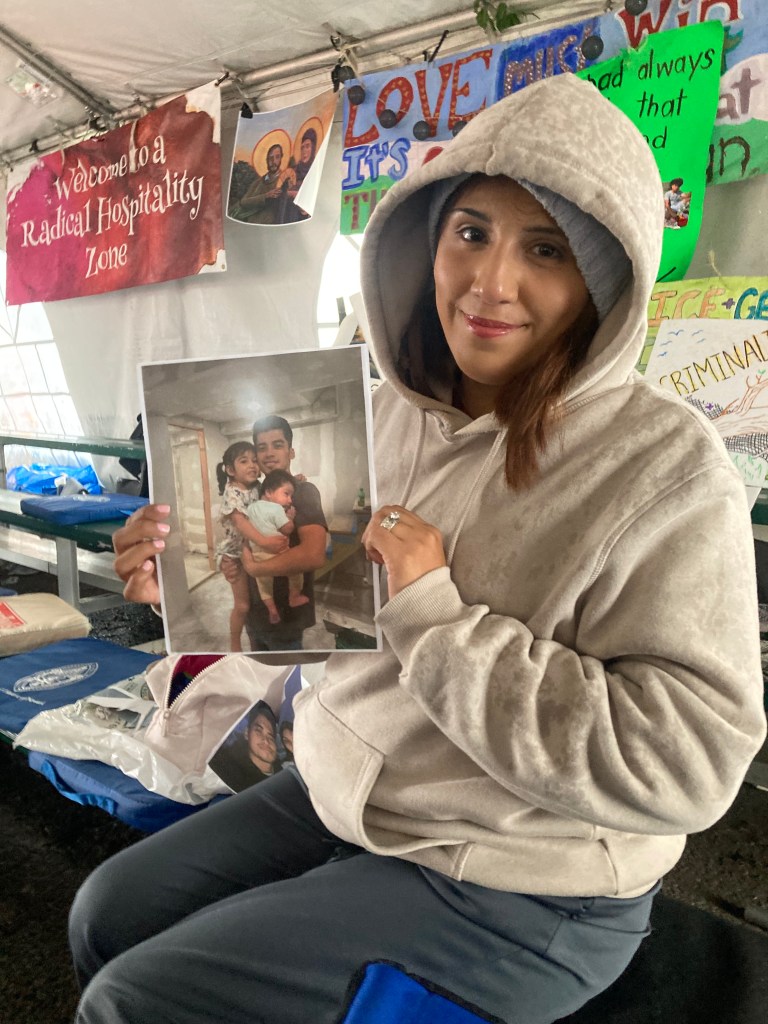
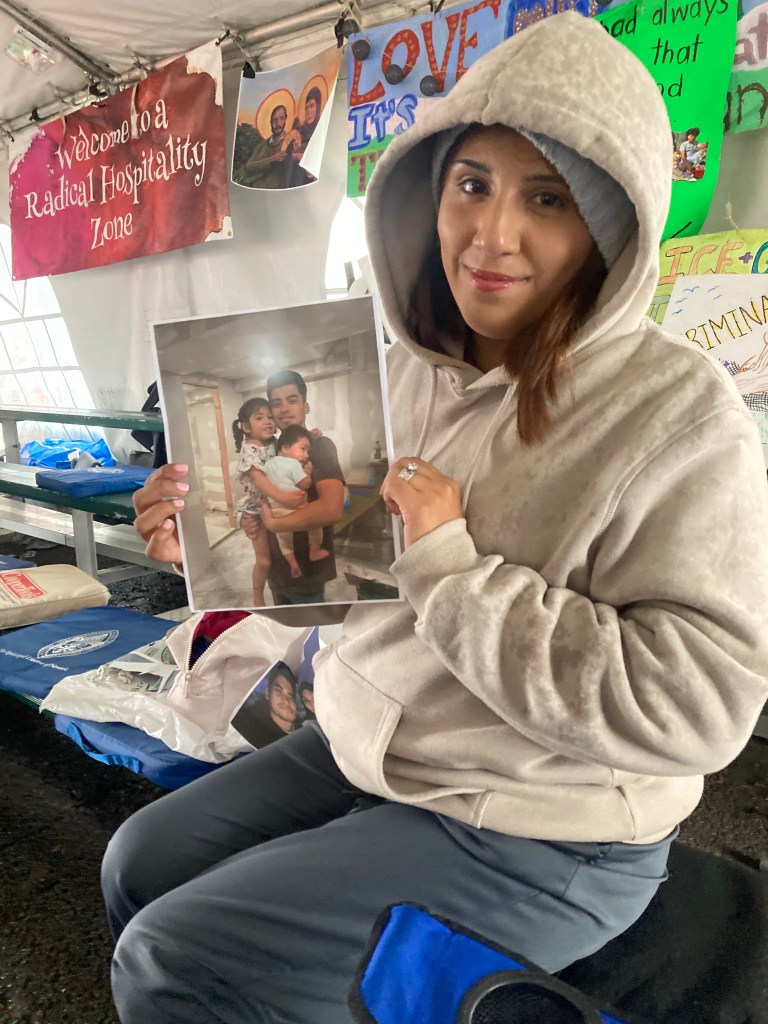
A detainee’s wife holds a photo of her husband, held in detention in New Jersey, and their two children.

Under the guise of immigration enforcement, the federal government is waging what can only be described as ethnic cleansing, the term used when a country systematically attempts to remove residents of a certain race, ethnicity or religion. This is a crime.

In his landmark book, Du Bois hoped white folk would come to know black folk, that they would take to heart their essential humanity and intrinsic value as full members of the American community. The same is true about the millions of immigrants, the majority black and brown, who want nothing more than freedom to live in safety, raise their families, work and be a part of the American dream.

America needs immigrants, families, hard workers, builders, care providers, entrepreneurs. But more than that, we need to know the Soul of Immigrants and affirm their humanity. As in 1903, America needs a change of heart.

Profiles in Protest

News and updates continue to stream from Delaney Hall, the troubled detention center in New Jersey holding some 1,000 immigrants the Trump regime considers illegal.

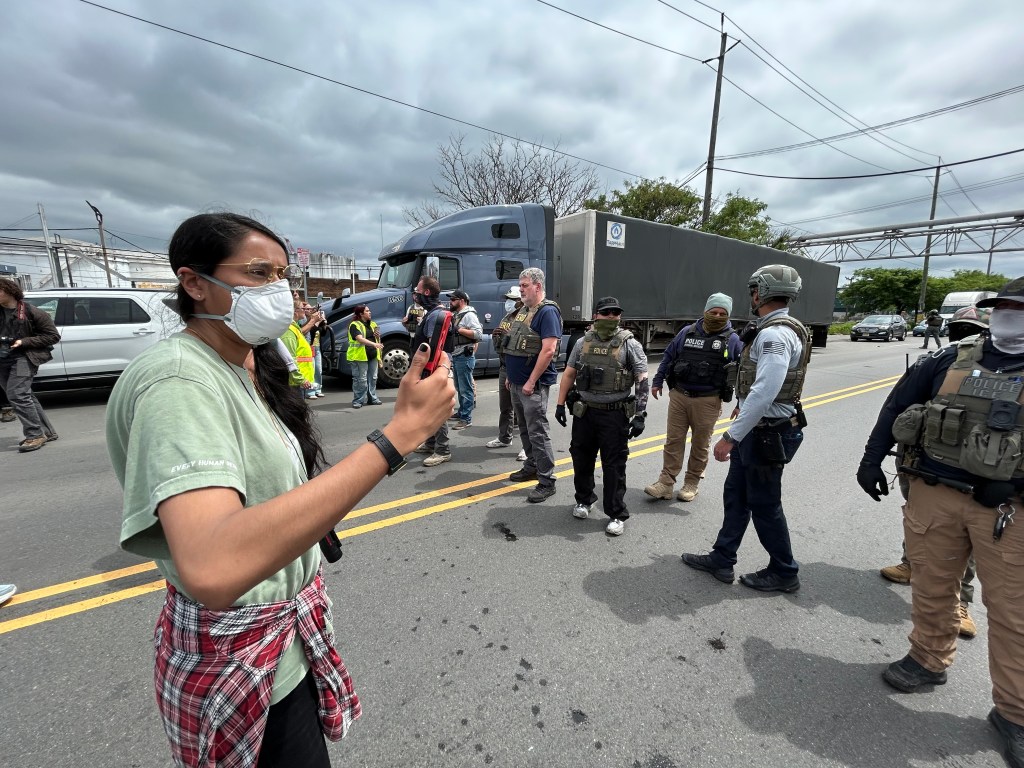
A protester confronts ICE agents outside Daleney Hall.

Becky and I were there last weekend to meet with families of detainees and the wonderful crew of volunteers, including our daughter and son-in-law, who provide support to families with loved ones inside.

Although the NY Times’ coverage is at best meager, several New Jersey mainstream and independent media are covering what’s happening at Delaney Hall. Their coverage includes the hunger/labor strike, violent reaction by ICE officials, removal and isolation of inmates, and the strong presence and advocacy of Senator Andy Kim, Rep Robert Menendez and others. 

Meanwhile, messages of solidarity are coming in from around the country, including from Rabbi Susan Abramson of Temple Shalom Emeth, a principal organizer of the protests at the ICE headquarters in Burlington. 

Here’s what she posted on FB, reporting on the continued weekly protests in Burlington: “400 of us stood against the policies and injustices of ICE this week at Bearing Witness At The Burlington ICE Office. Thanks to all who donated food, snacks, diapers, and toys. We stand in solidarity with Delaney Hall!”

While at the Family Support tent at Delaney Hall, we met some amazing people–dedicated volunteers who provide personal support, food, clothes and a place for families to wait, rest, and have a hot or cold beverage. 

We met Gabriela, the wife of Martin, held inside the prison. Mother of two small children and expecting a third, Gabby is an American citizen, as are her children. Martin, however, is from Peru. He was in the process of filing as spouse of a citizen for legal status. He was arrested by ICE while going to the store for diapers.

An eloquent spokesperson for families of detainees, Gabriela has spoken up with force, calling not only for an end to horrendous treatment of inmates but for their constitutional right to due process and release. We met her inside the tent as rain poured down outside. Her voice was hoarse, and she was sipping hot tea. All the same, she greeted us with warmth and proudly showed us a photo of her husband with their children.

Gabriela Soto with photo of her husband and children.

Because her husband has been considered a leader of the 300 inmates who went on hunger strike, ICE officials attempted to remove him from Delaney Hall. Protesters, however, blocked the vehicle from leaving, and it turned back. Later that night, however, ICE shackled and chained Martin and took him away in an unmarked car via a back exit. He was taken to another detention center in Elizabeth, NJ, and put in solitary confinement. Gabriela has since gone to that site. I don’t know, at this point, if she has been allowed to see him.

The other person I want to mention is a middle-aged man named Daniel. In January he was arrested while going to pay his electric bill. Taken first to Delaney Hall, he was then flown to a detention center in California. Daniel had recently been diagnosed with a brain tumor and had begun radiation treatments. Now he was held far from home and friends. Not willing to let his case go unheard, my daughter contacted a friend in California who found him an attorney willing to take his case pro bono. It took several months for the habeas corpus appeal to be heard, but in May Daniel was finally released on bond and returned to New Jersey. Met by friends and advocates, he has been able to resume medical treatments. Last week he stopped by the welcome tent at Delaney Hall to say thank you for their support. 

The situation at Delaney Hall continues to escalate, and we don’t know what will become of the detainees or their families. Charges of wormy food, lack of medical treatment and brutality continue. Protesters, inlcuding Senator Kim have been pepper sprayed. Ambulances have been seen coming and going. 

What’s happening at Delaney Hall is not just a local crisis. It’s a national crisis. As our daughter reminds us, the struggle is not a 100-yard dash. It’s a marathon. Courage to all as we continue, each in own way, to stand up for those being oppressed.

PS. Thanks for the encouraging responses from S4SJ network members.

What Happens There Matters Here

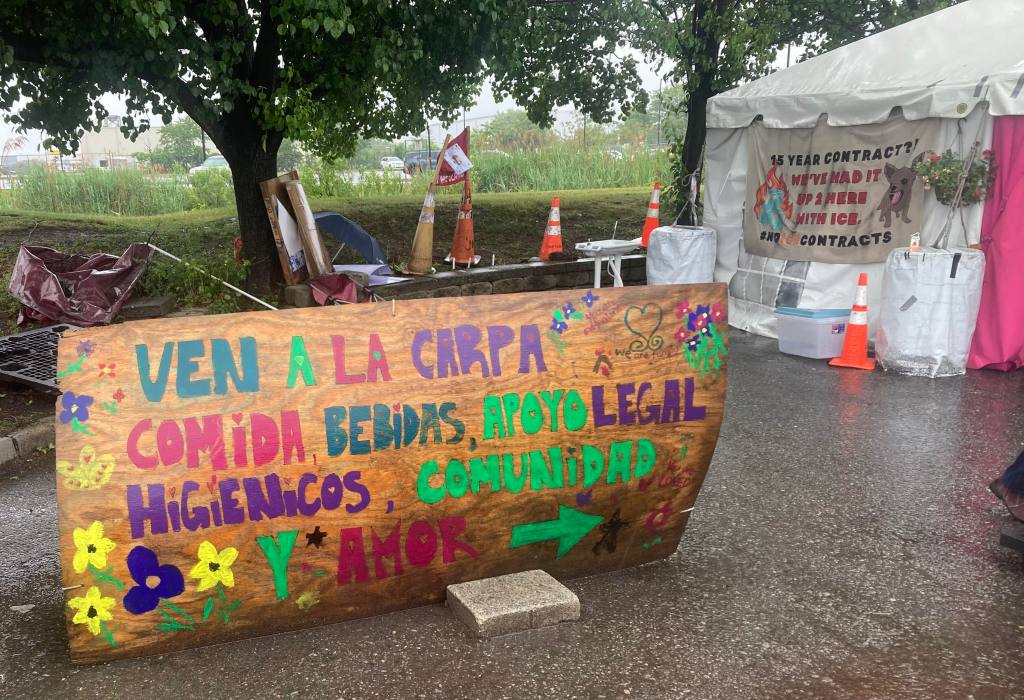
Sunday morning Becky and I walked through heavy rain to a tent set up just outside Delaney Hall, an ICE detention prison holding over a 1,000 men and women in Newark, NJ. We had driven over from our daughter’s home in a Newark suburb. She had arrived earlier, joining other volunteers to set up coffee and food along with clothing, diapers and toys for families hoping to visit their loved one inside.

“Come to the Tent” in Spanish is posted by volunteers providing support to families of detainees at the Delaney Hall Detention Center.

Situated off the turnpike in New Jersey among huge gas tanks, warehouses, depots and a state prison, Delaney Hall has been the flashpoint for protests of its inhumane treatment of inmates. On Friday, around 300 detainees began a weekend hunger and labor strike and called on Gov. Mikie Sherrill to visit Delaney Hall, a private, for-profit facility, and address their complaints.

The day before, Senator Andy Kim (Dem-NJ) had visited Delaney Hall and met with inmates and advocates. Voicing his support for the detainees, he wrote this on his Facebook page:

I rushed to ICE detention center Delaney Hall yesterday when I heard detainees began a hunger strike. Here’s what I saw:

An 18 yr-old high-school student crying and saying she just wanted to graduate senior year;

A pregnant woman unable to get full OBGYN medical support;

A woman who had a miscarriage in the detention facility and left to manage all on her own;

A mom not allowed to spend more that a few minutes with 4-month-old baby;

A husband of an American-citizen wife and kid;

A carton with the milk inside congealed solid (expiration date is tomorrow); [there were also complaints of worms in the food.]

A man there for nearly a year with no movement in his legal efforts;

A document showing next Tuesday’s court docket showing 74 cases before one judge in one day (averages about 5 minutes a case);

A man telling me ICE is trying to deport him to the Democratic Republic of Congo, where there is an active Ebola outbreak (he’s from South America originally);

Numerous people who were arrested at scheduled interviews for Green Cards (trying to follow the formal process);

A family unable to find out what hospital their family was sent to (ICE said they cannot give any medical updates to families of hospitalized detainees);

The Statue of Liberty as I left the facility to drive home. [You can see the Statue from Liberty State Park in Jersey City, not far from Delaney Hall.]

In another column, I’ll write more about what happens at Delaney Hall, and in the tent where volunteers provide support to families of detainees. Because what happens there, even if it’s not on the 6 o’clock evening news, must matter to us.

Delaney Hall Detention Center in Newark, NJ

Coming home

It happened at Logan as we crowded
to board the Woburn Express. The gray-haired
bus driver with a bad back motioned
for us to stow our own luggage into
the compartment below. There were huge
suitcases and golf clubs and duffel bags
and strollers. Then something happened:
a stocky passenger, fiftyish, stepped to
the curbside and, bending, grabbed and shoved
every piece of luggage into the belly of the bus.

After that, we all climbed aboard, the door
swished shut and we wheeled smoothly into
the Sumner Tunnel to merge on the other side
into I-93 rush hour traffic for the last leg home.
All the time I’m thinking: in a bunch of pretty-much-
all-white frequent fliers, the one stepping
up was black, and you may ask why
do I have to mention black and white,
so I reply yes, why indeed, and
what do you make of this?

“Bam, you’re dead!”

At age seven I was thrilled by the Lone Ranger. We didn’t have a TV, but the family that rented above us did and invited me and my brothers up to watch on their black-and-white.

Years later, I looked forward to “Gunsmoke,” which my uncle would let us watch with him in the family room. Our hero was, of course, Marshall Matt Dillon, who kept the peace in Dodge City, along with his sidekick, Chester, Miss Kitty and Doc Adams.

Then came Wyatt Earp, Maverick, the Rifleman, Have Gun Will Travel and others. What all the characters had in common was they knew how to solve problems and settle disputes. They did this with their guns.

As did boys did across America, I imagined myself as a heroic keeper of the peace. Our parents didn’t allow us store-bought six-shooters, but we made our own versions out of wood. In my reverie, I was the quickest draw in town.

My fascination with Westerns was an early immersion in a culture wedded to guns. Guns represented power, and the destruction they caused was justified by the need to protect and establish order or to settle old scores.

If our heroes shot and killed other human beings, this was all right because they were clearly the bad guys. We enjoyed seeing their theatrical demise. “Bam, you’re dead,” one of us would yell. “You got me,” the other would respond, spinning and falling to the ground.

Over time, on TV and in movies, the weapons became more sophisticated. Colt 45s and Winchester rifles were followed by .44 Magnums and AR7s. Then came Glocks and M60 machine guns. Star Wars and Jurassic Park brought us Mauser pistols and SPAS-12 shotguns. Today, AK47s are the weapons of choice.

Beyond the arguments over gun proliferation and control in America, and whether our Constitution sanctions unfettered access, is the simple reality that we Americans are in love with our guns. We want them, we have them, and we use them— despite the horrendous suffering they inflict.

This is true on a national scale as well. Too often and too quickly we turn to our weapons—ever more sophisticated—in our cities and in the world. We choose war over defense, “death from above” over mediation and conflict resolution.

Accompanying our threats of violence to our perceived enemies is their dehumanization. Nowhere is this more evident than in the words and deeds of our current commander in chief and secretary of the War Department.

The president who labeled Somalians “garbage” and African nations “shithole countries,” has called Iranians “crazy bastards” and threatened to “bomb them back to the Stone Age.”

Hegseth has taunted Iranians as “barbaric savages” and called for “overwhelming violence of action against those who deserve no mercy.”

When you deny your opponents their humanity, it’s much easier to destroy them. You can shoot protesters in the street. You can blow up boats in international waters, summarily executing suspects. You can conduct a “precision” strike into another nation to arrest its leaders, killing 80 people in the process.

And you can start an unprovoked war, unleashing missiles, bombs and drones that you know will kill and wound not only our own soldiers, but thousands of civilians—including children—their suffering out of sight and out of mind.

After 250 years, will we ever understand the true consequences of our violent impulses, combined with our love of weapons? Will we ever learn to holster our six-shooters and commit ourselves to making peace? God help us.

By Touch and Sight

Grampa Durell worked by touch and sight.
A carpenter, he knew each wood’s hue and grain.
He measured close so things would come out right.

To mark each piece, each board’s width and height,
He used a fold-up, bass-wood rule; took pains
To saw, fit, join, and sand by touch and sight.

His tools survive: hand drills that curl and bite
Into the wood—chisels, squares and planes
That seem today to fit my hands just right.

So, too, his gifts: tables, dressers, joints still tight,
A pine doll cradle with a cherry stain,
A great granddaughter’s now, for touch and sight.

In the Spanish-American War he missed the fight,
Got dysentery and couldn’t avenge the Maine.
But things have a way of turning out all right.

We keep his lieutenant’s sword, the blade still bright,
But use his carpenter’s rule again and again,
Reminding us to learn by touch and sight,
Measuring well so all will come out right.

Note: I wrote this villanelle about Becky’s grandfather, a carpenter in Lowell. I knew him only through family stories and from handling his old tools “that seem today to fit my hands just right.” Villanelles are fun to write, but they ain’t easy. The most famous one is, perhaps, Dylan Thomas’ “Do Not Go Gentle into that Good Night.”

One of my favorites is Theodore Roethke’s “The Waking.” Look it up. It’s a wonderful exploration of consciousness and the interplay of feeling/thinking, motion/stillness, action/reflection, East/West, etc., full of wisdom.

Happy Poetry Month

I Said, You Said

I said everything gets broken
You said waves break on the shore
I said give what you can keep
You said I can promise no more

I said the last are the first
You said the slow train goes far
I said space really does curve
You said wish upon a star

I said life is a round-about
You said leave by another way
I said pick up where you left off
You said it’s all child’s play

I said time is a spiral
You said the river only flows
I said once upon a memory
You said the elephant knows

I said watch where you step
You said rock paper scissors
I said don’t dance with a bear
You said don’t kiss a lizard

I said this has got to stop
you said if I have time
I said stay in tune
You said but it’s my rhyme

I said it has to get better
You said time wounds all heels
I said shadows can’t fly
You said that’s how it feels

I said go where you’re going
You said stay where you’re at
I said don’t chew your water
You said don’t talk through your hat

I said watch out for potholes
You said the road always rises
I said the mountain is sinking
You said I like surprises

I said see you later
You said let’s see what comes after
I said you get the last word
You said let there be laughter